


9 Days Lhasa to Kathmandu Tour via Everest
- Duration
- 9 Days / 8 Nights
- Pace
- Moderate
- Group size
- 3–8 travellers
- Best season
- April to June and September to October
The trip at a glance
Nine days from Lhasa to Everest Base Camp and on to Kathmandu: three days in the holy city, the Yamdrok Lake road west, a night under the north face of Everest, and a morning flight over the Himalaya to Nepal.
Border status. The Gyirong land border between Tibet and Nepal is closed at present, with no date for rebuilding, and the Zhangmu crossing is not supported for tourist travel. We plan the crossing by air and confirm the current position with you before you book. See our Gyirong border travel advisory.
Read the full overview
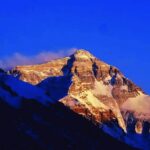
Designed for travellers journeying east to west — from the vibrant Chinese inland city of Chengdu all the way through Tibet and into Kathmandu, the gateway of Nepal — this route follows the Friendship Highway west across the plateau to Everest, then flies over the Himalaya to Kathmandu. Whether you are a first-time Tibet traveller or a seasoned adventurer, the ever-changing landscapes and sacred cultural landmarks encountered along this journey will stay with you for a lifetime. You will stand before the magnificent Potala Palace, visit the sacred Jokhang Temple at the heart of old Lhasa, witness the famous monk debating sessions at Sera Monastery, gaze across the turquoise waters of Yamdrok Lake, and marvel at the grandeur of Tashilhunpo Monastery in Shigatse — one of Tibet’s greatest religious treasures. Yet beyond all these legendary highlights, the defining moment comes when you plant your feet at Everest Base Camp, standing at 5,200 metres at the foot of the world’s highest mountain, breathing the pure Himalayan air and looking up at the north face of Mount Everest. It is an achievement and a memory that travellers carry with them forever.
This route is open to foreign travellers all year round, which makes the tour possible in every season. However, if your goal is to see the Everest summit clearly from Base Camp, it is best to travel between October and mid-June, avoiding the monsoon season which runs from mid-June through the end of September. During the monsoon months, heavy clouds frequently obscure the Everest peak and road conditions across the Tibetan plateau can be challenging. On the other hand, the summer months bring higher oxygen levels at altitude, which can make acclimatisation somewhat easier for travellers more sensitive to high altitude sickness.
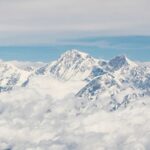
The tour ends at Lhasa Gonggar Airport, with a morning flight over the Himalaya to Kathmandu. On a clear day the crossing is the best aerial view of the range you will get anywhere — Everest, Makalu and Kanchenjunga in a line below the wing. We book the Lhasa–Kathmandu flight for you as part of the tour, and our Nepal partner can meet you at Tribhuvan International Airport and take over from there: a hotel in Kathmandu, a few days in the valley, or a connecting flight home.
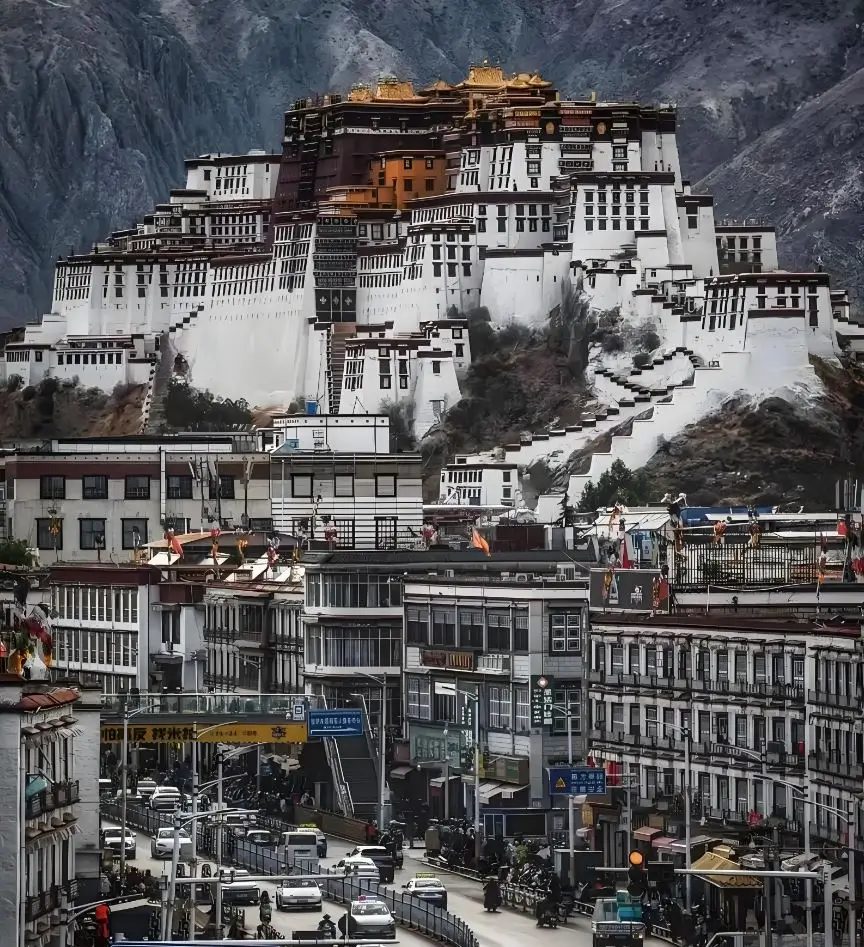 Potala Palace
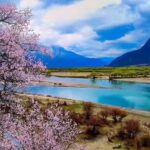
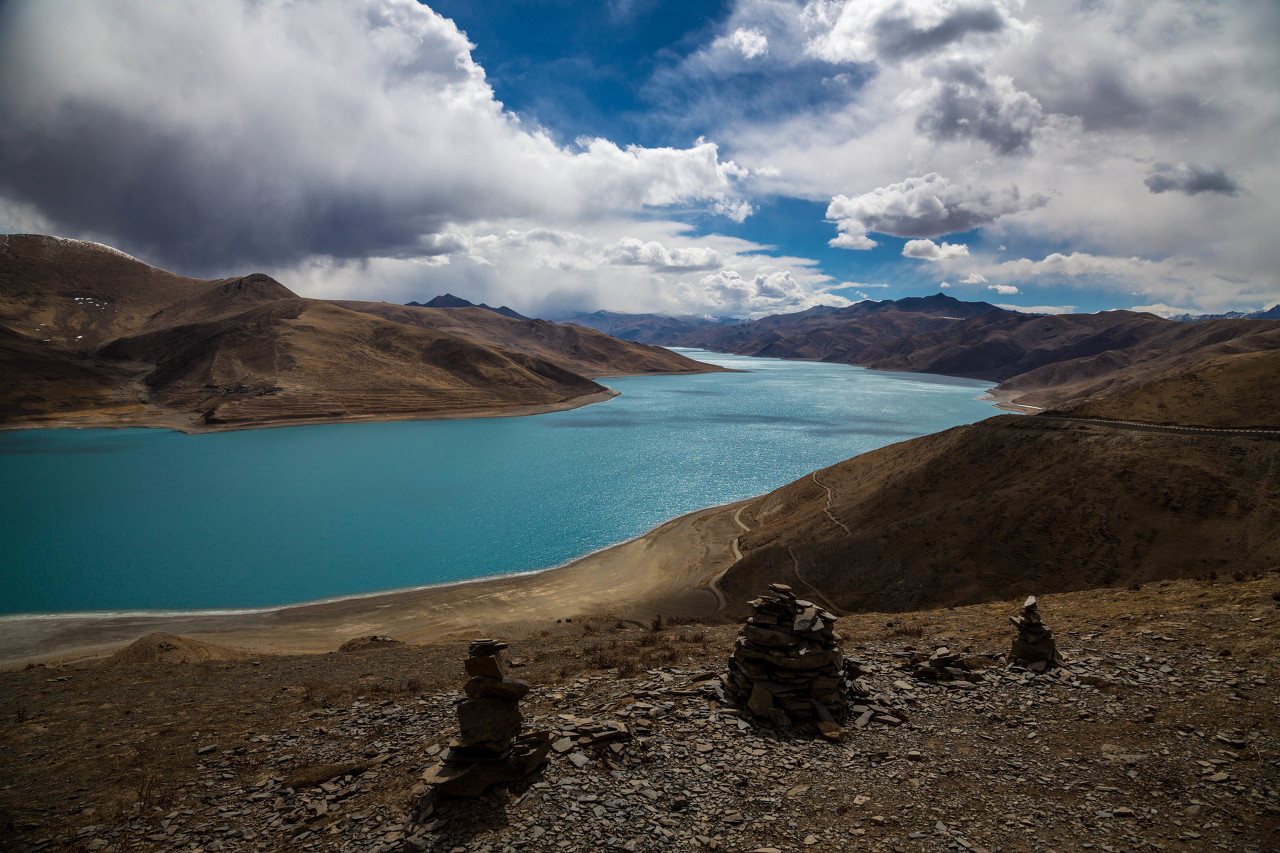 Yamdrok Lake
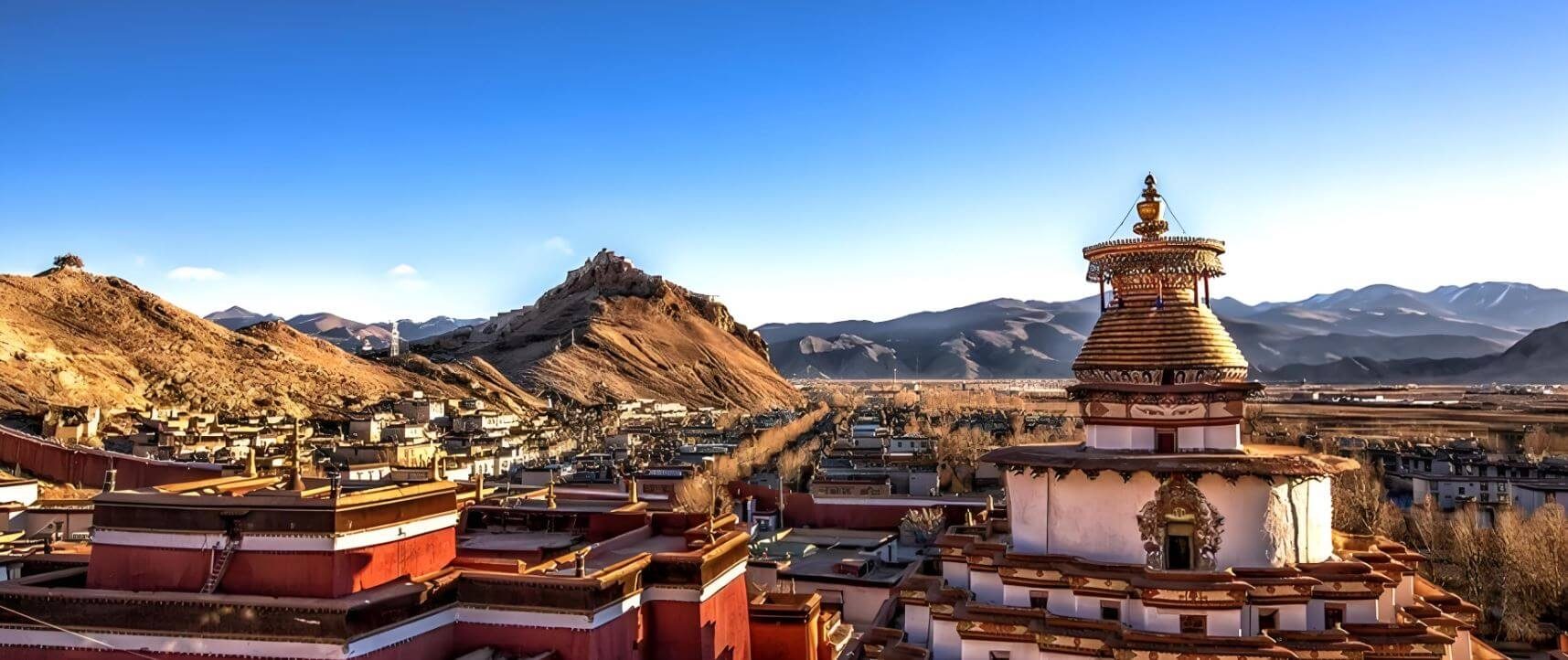 Gyantse Kumbum
 Tashilhunpo Monastery
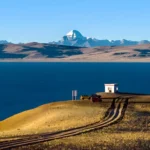
 Everest Base Camp
- Shigatse
- Lhasa
- fly to Kathmandu
Where you go, and how high you sleep
The route, stop by stop
Potala Palace → Yamdrok Lake → Gyantse Kumbum → Tashilhunpo Monastery → Everest Base Camp → Shigatse → Lhasa → fly to Kathmandu
- Arrival in Lhasa – Airport Pick UpDay 1
- Lhasa – Potala Palace – Jokhang Temple – Barkhor StreetDay 2
- Lhasa – Tibet Museum – Norbulingka – Sera MonasteryDay 3
- Lhasa – Yamdrok Lake – Karola Glacier – Gyantse – ShigatseDay 4
- Shigatse – Tashilunpo Monastery – LhatseDay 5
- Lhatse – Tingri – Pang La Pass – Rongbuk Monastery – Everest Base CampDay 6
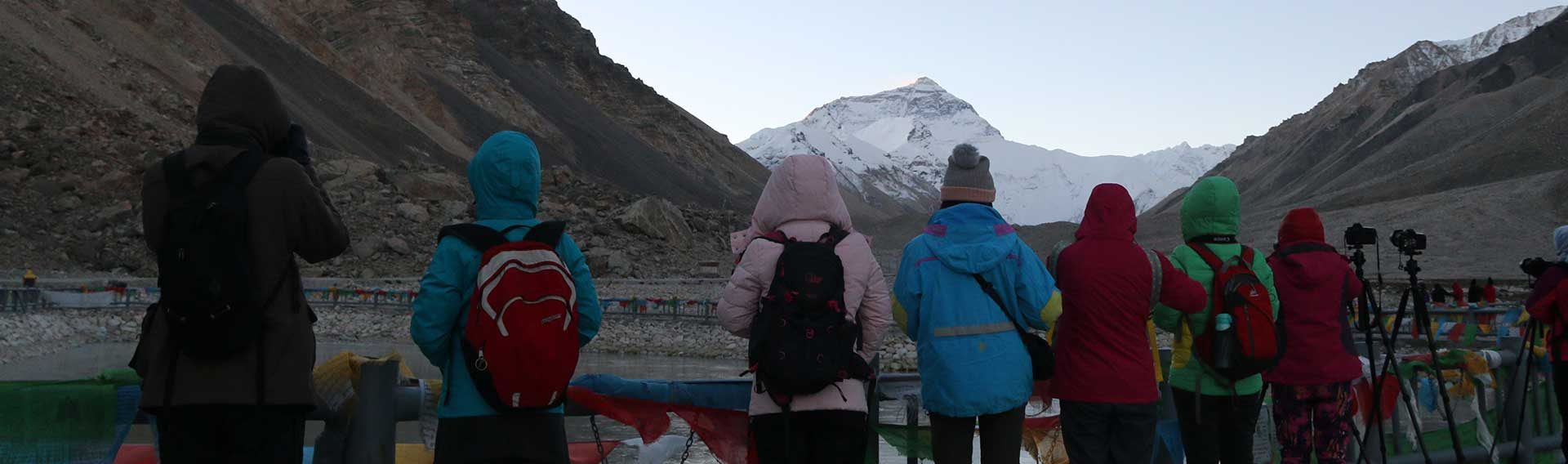
- Everest Base Camp SunriseDay 7
- Shigatse to Lhasa — The Yarlung Tsangpo RoadDay 8
- Fly Lhasa to Kathmandu — Tour EndsDay 9
Day by day
Days 1–3 · Lhasa 3-Star hotel
Arrival in Lhasa – Airport Pick Up
Upon landing at Lhasa Gonggar Airport, you step out into one of the world's most extraordinary environments — a brilliant blue sky stretching over the vast Tibetan Plateau at 3,600 metres (approximately 12,000 feet) above sea level. At the arrivals hall, your local Tibetan guide greets you with a traditional white silk scarf — a kata — the customary Tibetan gesture of welcome, respect, and good fortune. From the airport, you transfer to your hotel in Lhasa city, your home for the next two nights.
Your most important task today is simply to rest. The reduced oxygen level at this elevation affects every visitor regardless of age or fitness, and proper acclimatisation on day one makes the rest of the tour far more enjoyable. Drink significantly more water than usual, eat lightly, and avoid any strenuous physical activity.
Tip: Avoid taking a shower on your first night in Tibet — the body is still adjusting to the altitude and the risk of catching a cold is higher than normal. At high altitude, even a mild cold becomes a serious health concern. If you already have a cold before arriving, it is strongly advised to postpone your visit until you have fully recovered.
Lhasa – Potala Palace – Jokhang Temple – Barkhor Street
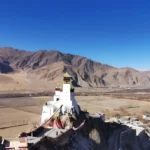
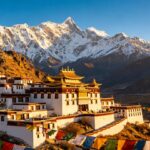
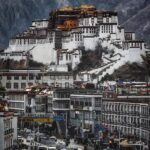
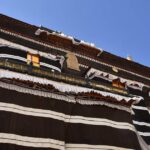
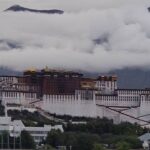
After breakfast, your guide escorts you to the iconic Potala Palace — one of the most recognisable structures in Asia and a UNESCO World Heritage Site perched on the Red Hill at 3,700 metres above Lhasa. The palace rises thirteen storeys and was the winter residence of the Dalai Lamas for centuries. Inside, it is divided into two distinct sections: the White Palace, which served as the living and administrative quarters, and the Red Palace, the sacred religious heart housing countless chapels, gilded shrines, and the stupas of past Dalai Lamas. As you climb the countless stone steps, remember to take your time — the altitude is still something to respect. Please note that the entry time for Potala Palace is managed by the palace administration to control visitor numbers, so the specific time-slot will be confirmed on the day.
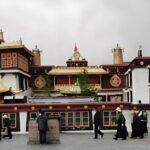
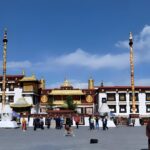
From the Potala Palace, continue to the Jokhang Temple — the most sacred site in all of Tibetan Buddhism, drawing pilgrims from across Tibet, China, and the Himalayan world. At the spiritual centre of the temple stands the Jowo Rinpoche: a precious statue of Shakyamuni Buddha at the age of twelve, brought to Tibet from China's Tang Dynasty over 1,300 years ago as part of the dowry of Princess Wencheng. On most days you will witness monks chanting sutras in the main hall — a deeply moving and atmospheric experience.
Your day concludes with a walk along Barkhor Street, the ancient circular pilgrim circuit encircling the Jokhang Temple. Join streams of pilgrims spinning prayer wheels as you browse colourful stalls selling Tibetan thangka paintings, jewellery, aromatic incense, and traditional handicrafts — a perfect place to choose souvenirs for family and friends.
Lhasa – Tibet Museum – Norbulingka – Sera Monastery
Your second full day in Lhasa begins with a visit to the Tibet Museum, an excellent starting point for deepening your understanding of Tibetan history, culture, art, and religion. The exhibits provide context that brings every subsequent sight on this tour to life in a way that imagination alone cannot achieve.
From the museum, continue to Norbulingka — the summer palace and private parkland of the Dalai Lamas, and another UNESCO World Heritage Site. Unlike the imposing, fortress-like Potala Palace, Norbulingka feels more like a beautifully landscaped garden estate, with ornate pavilions, willow-lined pathways, and a peaceful, contemplative atmosphere. The highlight is the New Summer Palace of the 14th Dalai Lama, where extraordinary murals on the upper floor depict the entire story of humanity — from mankind's earliest origins all the way to the modern era — rendered in vivid, intricate Tibetan style. It is one of the most fascinating rooms in all of Tibet.
The afternoon brings one of the most memorable experiences of the entire trip: the monk debating session at Sera Monastery. In a shaded courtyard beneath ancient trees, monks engage in lively philosophical debate — clapping hands sharply, stamping feet, and challenging each other's understanding of Buddhist scripture with striking theatrical energy. This session takes place on weekday afternoons (monks take weekends off, just as ordinary people do), and is one of the most authentic and captivating cultural spectacles anywhere in Tibet.
Lhasa – Yamdrok Lake – Karola Glacier – Gyantse – Shigatse
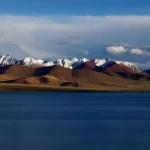
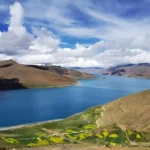
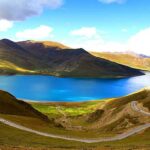
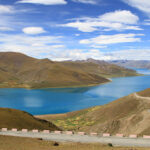
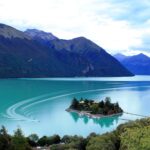
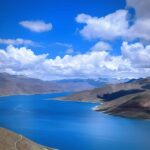
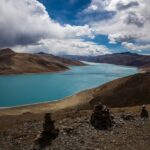
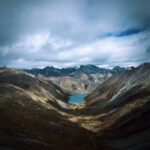
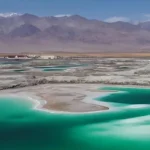
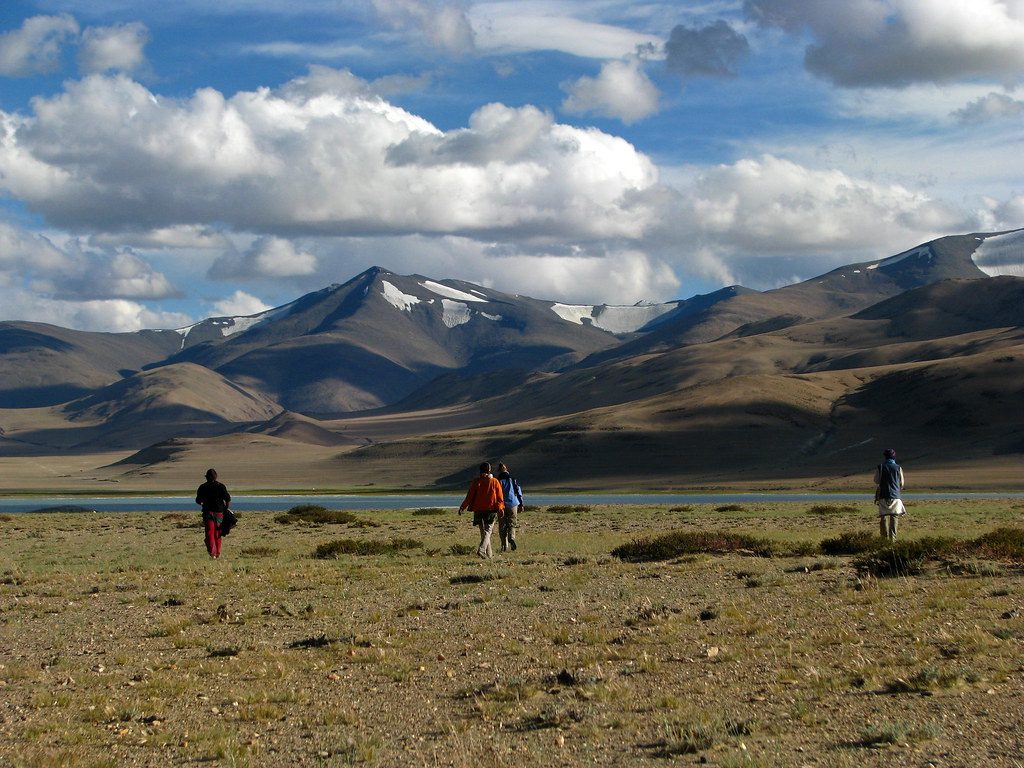
Leaving Lhasa, today's scenic drive towards Shigatse takes you through some of the most dramatic landscapes on the entire route. The journey begins with the climb over Kampala Pass at 5,100 metres, where the first sight of Yamdrok Lake unfolds below you in breathtaking fashion. The name Yamdrok comes from the Tibetan language and means 'turquoise' — perfectly describing the extraordinary colour of the water. Depending on the angle and intensity of the sunlight, the lake's surface shifts between vivid jade green, sky blue, and rich emerald. Yamdrok is one of the three holiest lakes in Tibet and one of the most photographed natural sights on the entire plateau.
Continuing west, you pass the dramatic Karola Glacier, a sweeping ice field descending from the Nojin Kangtsang peak high above the roadside. Further along the route lies Gyantse, home to the remarkable Pelkor Chode Monastery and its famous Kumbum Pagoda — a unique structure found nowhere else in Tibet. The Kumbum rises across multiple storeys and contains over seventy chapels, its architecture blending Tibetan, Indian, Nepali, and Chinese styles into a single extraordinary building that is itself a temple to be explored, not merely admired from outside. Arriving in Shigatse in the late afternoon, you check into your hotel for the night.
Shigatse – Tashilunpo Monastery – Lhatse
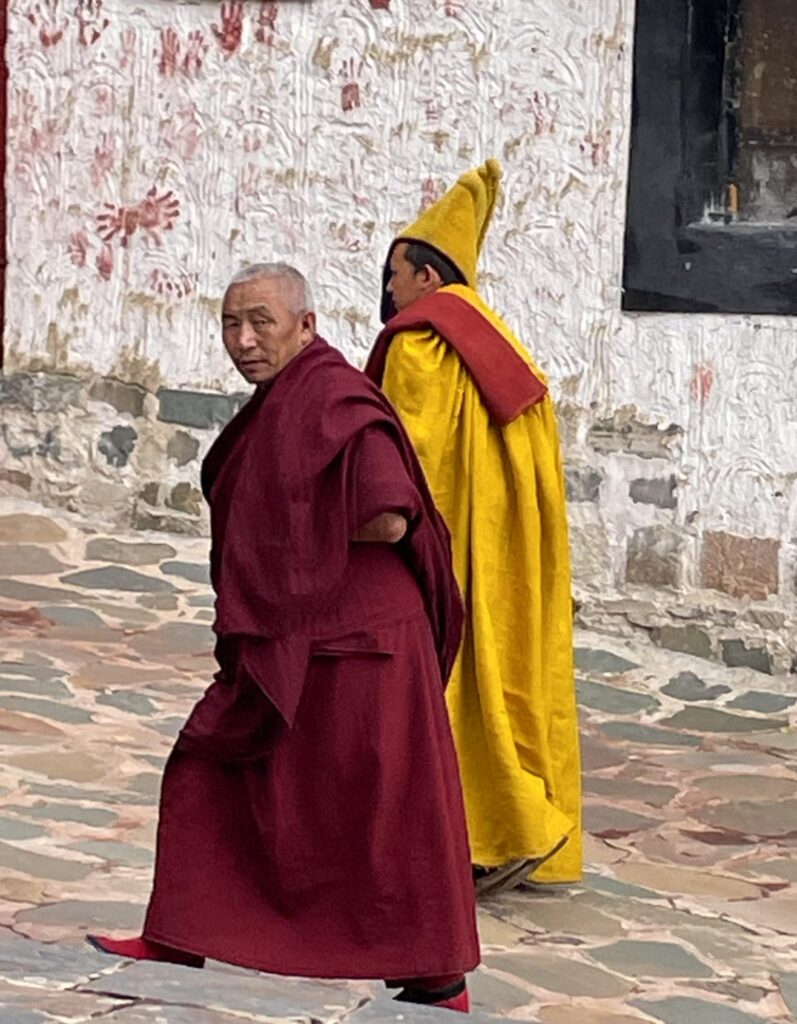
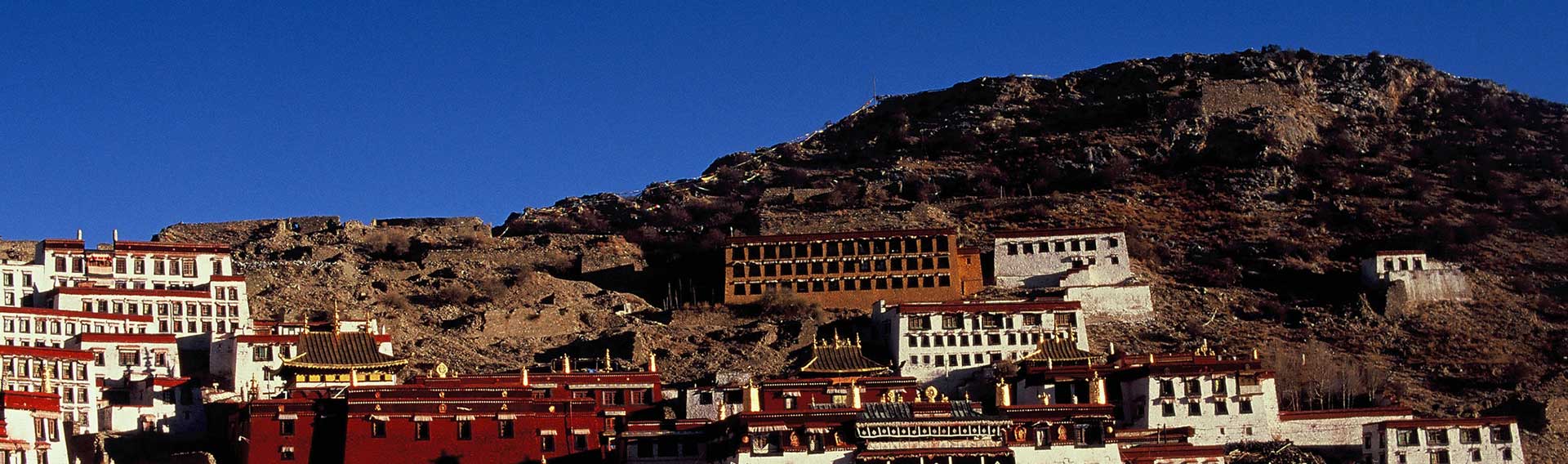
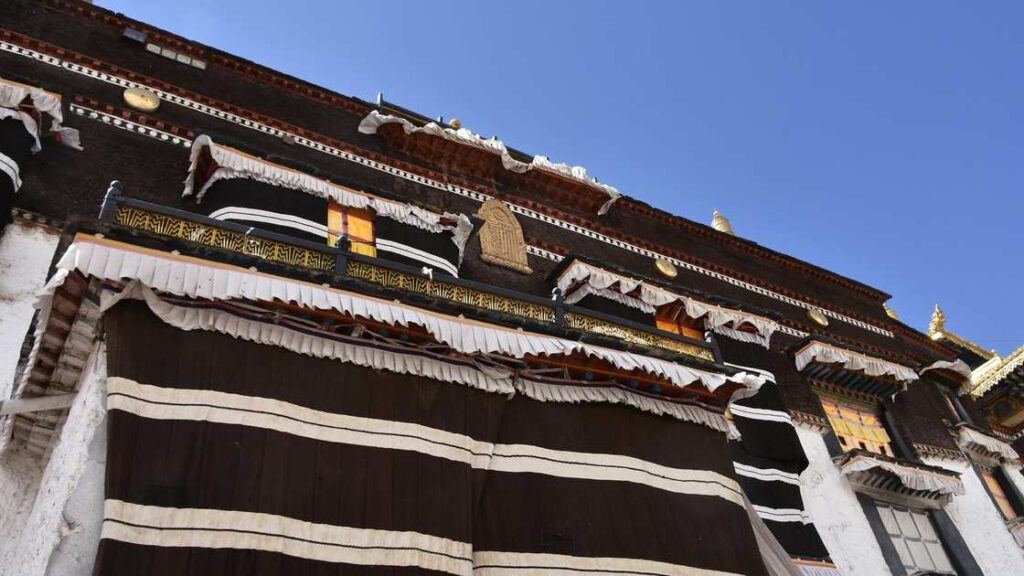
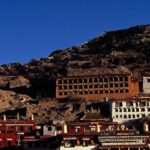
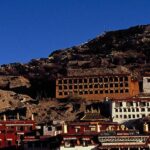
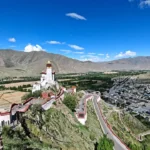
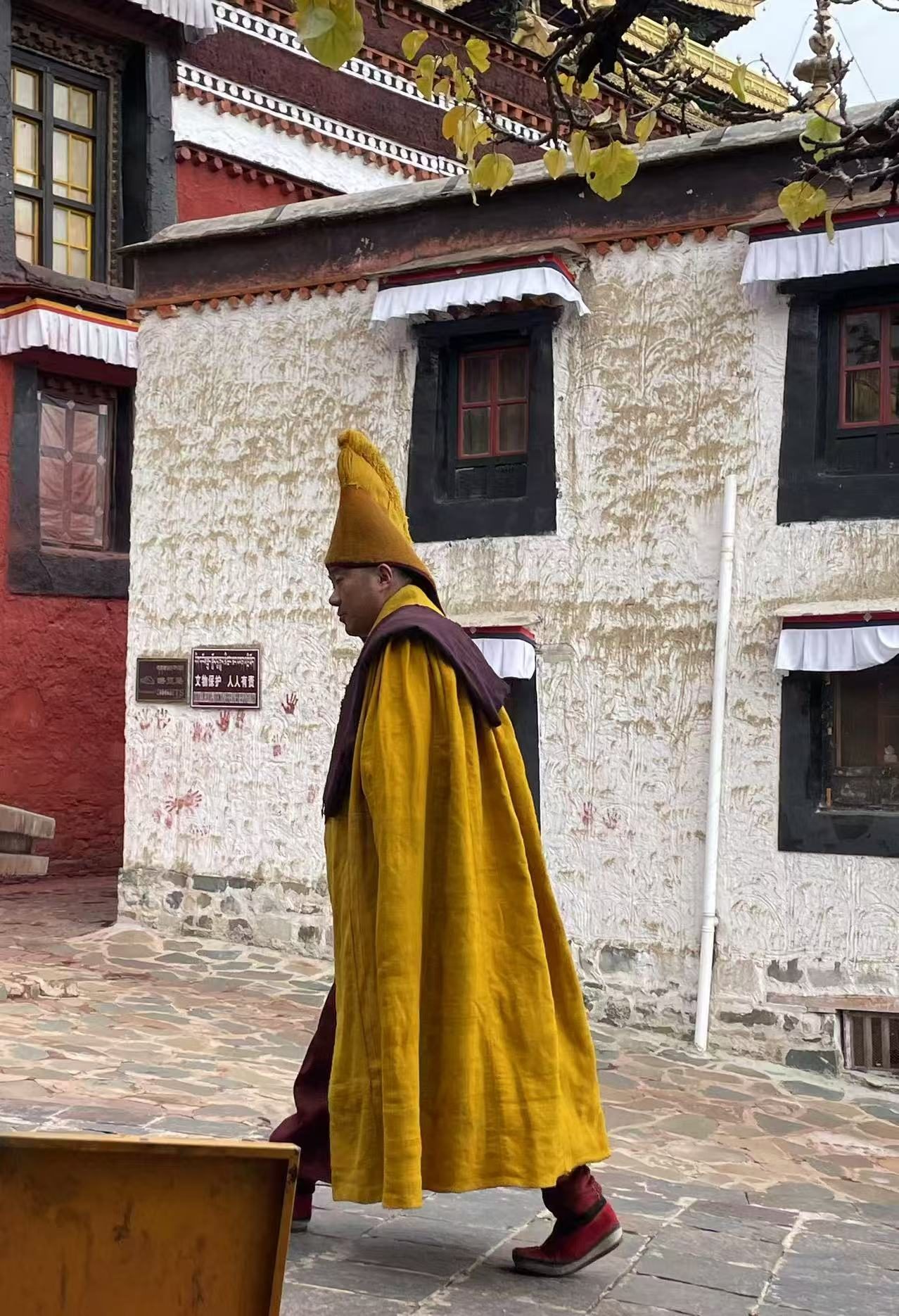
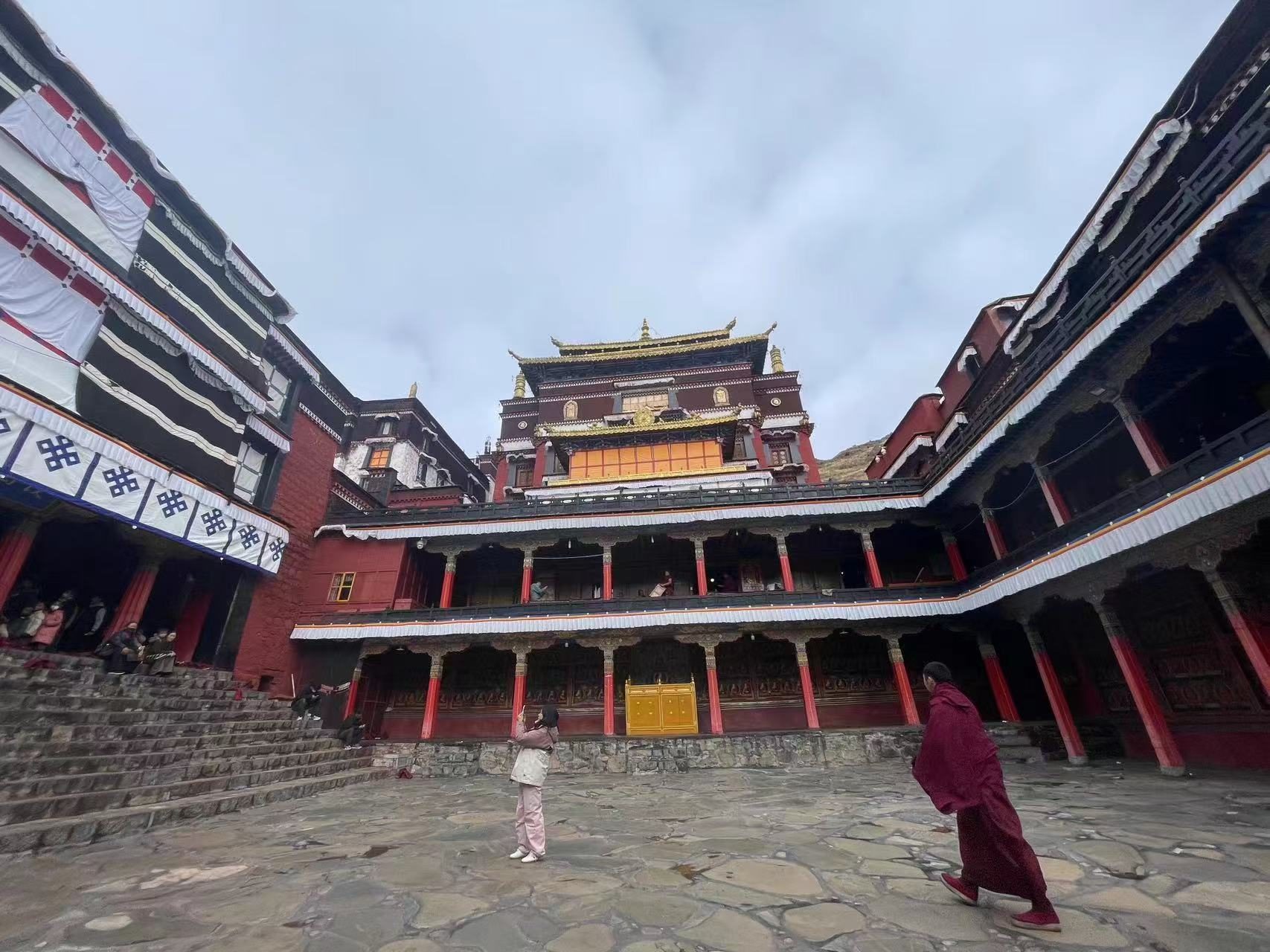
This morning brings a visit to Tashilhunpo Monastery — one of the largest and most important monasteries in Tibet, and the traditional seat of the Panchen Lamas. Founded in 1447, the monastery is a vast complex of gilded rooftops, whitewashed walls, and sacred assembly halls that feels like an entire city of devotion. At its heart are the magnificent golden stupas enshrining the remains of successive Panchen Lamas, each lavishly decorated with precious gems and gold — the most revered objects within these sacred walls.
Tashilhunpo differs from Potala Palace in an important way: while Potala served as the combined political, religious, and residential seat of the Dalai Lama, Tashilhunpo remains a purely functioning Buddhist monastery dedicated to scholarship, prayer, and the Panchen Lama's spiritual tradition. The scale, the gilded architecture, and the atmosphere of living devotion make it a genuinely moving experience.
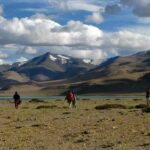
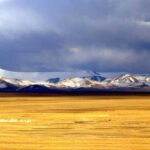
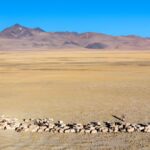
After the monastery visit, the journey continues westward to Lhatse. As Shigatse fades in the rear window, the landscape opens into vast highland grasslands stretching to the horizon. Scattered Tibetan villages, grazing yaks and sheep, and distant snow-capped peaks create a wide, elemental panorama that feels untouched by time. Arriving in Lhatse in the afternoon, you settle in for the night.
Tip: Lhatse sits at high altitude. Continue drinking plenty of water, walk slowly, and avoid any strenuous activity to adapt well to the plateau environment.
Lhatse – Tingri – Pang La Pass – Rongbuk Monastery – Everest Base Camp
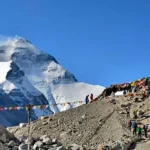
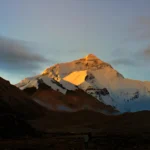
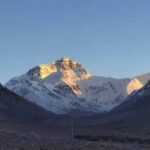
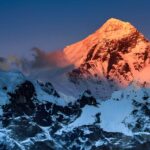
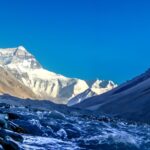
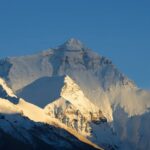
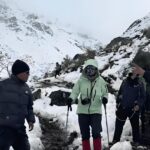
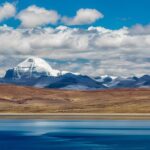
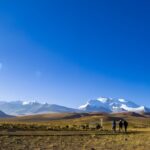
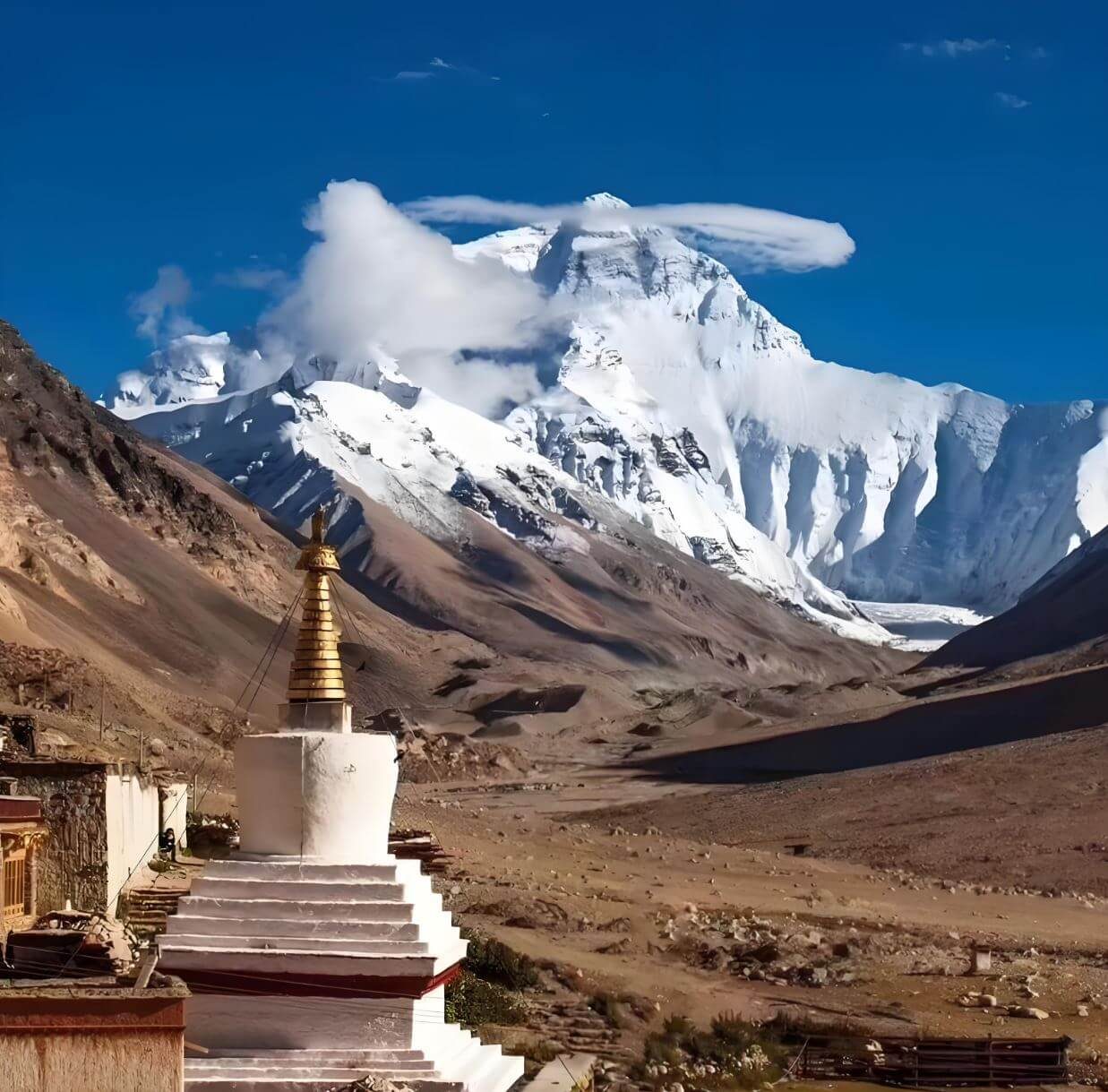
Today is the most anticipated day of the entire journey — the drive to Everest Base Camp. After breakfast, the route climbs dramatically to Pang La Pass at 5,200 metres, one of the most spectacular viewpoints in the entire Himalayan region. On clear days, five of the world's highest peaks are visible simultaneously from the summit: Everest, Lhotse, Makalu, Cho Oyu, and Shishapangma — a breathtaking skyline of snow giants that leaves every visitor speechless.
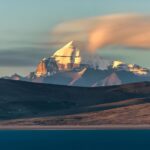
Descending from the pass, you reach Rongbuk Monastery, widely recognised as the highest monastery in the world. Set directly at the foot of Mount Everest's magnificent north face, Rongbuk has served as a place of worship and pilgrimage for Tibetan Buddhists for centuries and offers one of the most perfectly framed views of Everest found anywhere on earth.
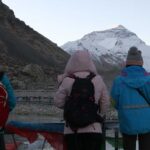
From Rongbuk, a short ride on local eco-friendly transport (private vehicles are not permitted beyond this point) brings you to Everest Base Camp at approximately 5,200 metres above sea level. There are no hotels here — accommodation is in simple guesthouses or traditional tents close to the mountain. The air is extremely thin; every movement must be slow and deliberate, and running or jumping is strongly discouraged. The temperature plunges sharply after sunset and the wind can be fierce. Yet spending a night at the foot of the world's highest mountain, under a sky blazing with stars, is one of the most extraordinary experiences available to any traveller on earth.
Tip: Pack very warm layers and a cold-weather sleeping bag. If you experience severe breathlessness, dizziness, or chest tightness, inform your guide immediately.
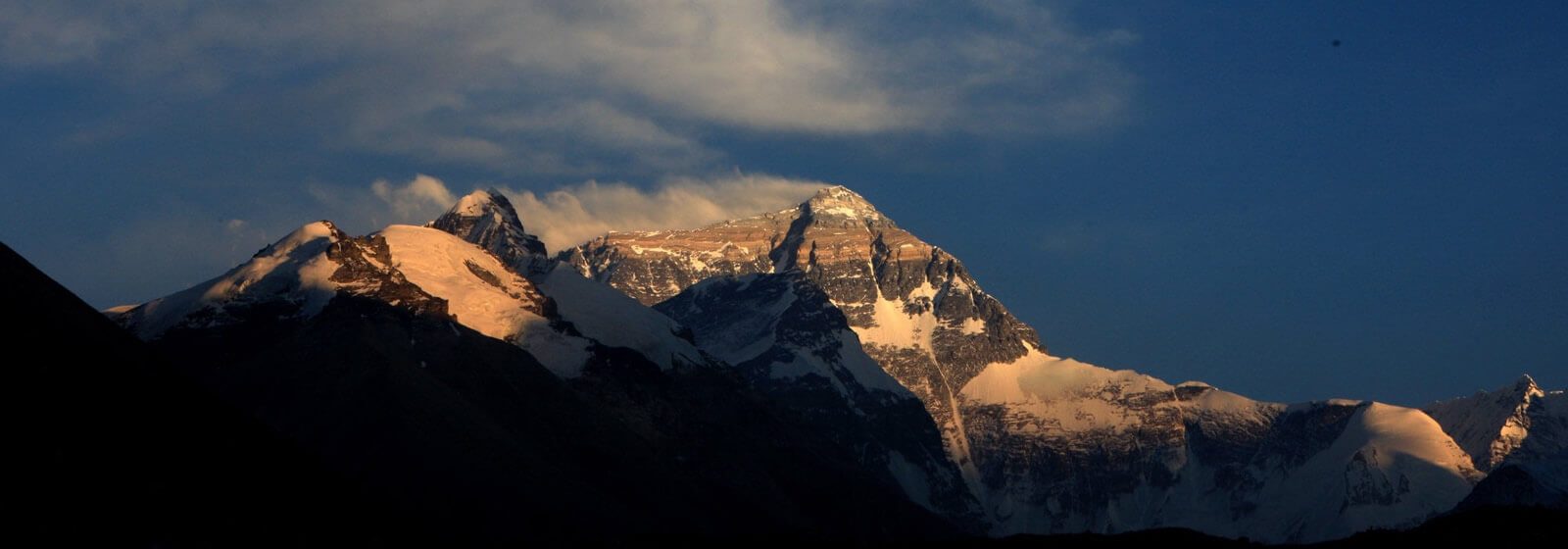
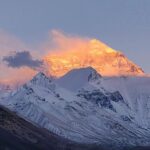
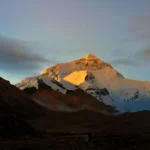
Everest Base Camp Sunrise · Tingri · Lhatse · Shigatse
Sunrise at Base Camp, then the long way back. The road returns over the Pang La and down through Tingri to Lhatse on the Friendship Highway, and runs east to Shigatse for the night.
It is a full day in the vehicle — about eight hours with stops — and the landscape opens out as you come down: the brown plateau, the nomad tents, the yaks, all of it in reverse. If the weather closed in at Base Camp yesterday, the morning usually gives you a second chance at the summit before you leave.
Shigatse to Lhasa — The Yarlung Tsangpo Road
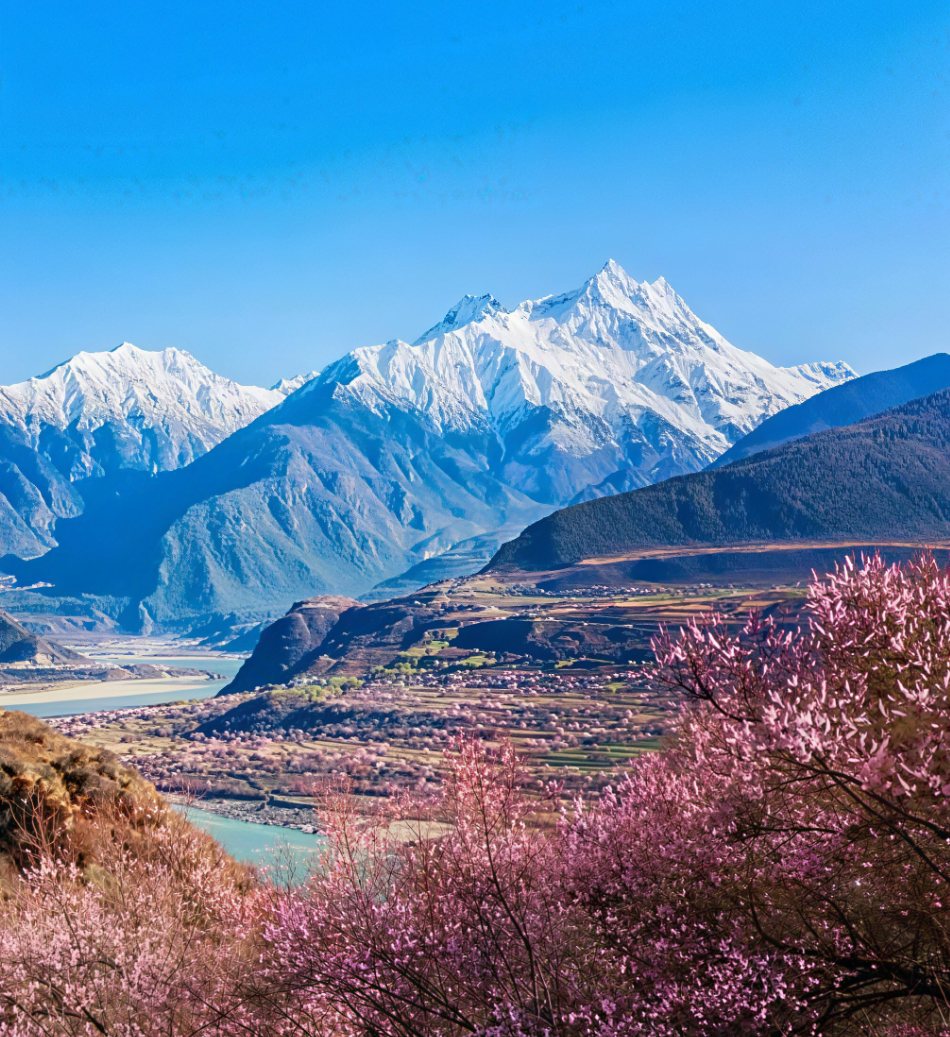
East along the Yarlung Tsangpo rather than back over the passes: through Nyemo and Renbu, where the river runs wide and slow between barley fields and whitewashed villages. Lhasa in the late afternoon.
Ask your guide if you would rather trade the river road for Shalu Monastery, twenty minutes south-east of Shigatse, whose fourteenth-century mandala murals are among the finest in Tibet and almost never busy. It adds about two hours.
The evening is free — a last walk on the Barkhor, or dinner in the old town.
Fly Lhasa to Kathmandu — Tour Ends
The flight to Kathmandu leaves Lhasa in the morning, so your guide collects you early: Gonggar Airport is about an hour from the city. The route crosses the Himalaya, and on a clear day the highest peaks in the world sit below the wing.
Tour services end at Kathmandu's Tribhuvan International Airport. We can book the Lhasa–Kathmandu flight for you, and our Nepal partner can meet you on arrival, arrange a hotel, or add a few days in the Kathmandu Valley — ask when you book.
What is included
Included
- Tibet Entry Permit and Alien's Travel Permit
- All ground transportation from Lhasa to Nepal border
- Environment-friendly local bus between Rongbuk and EBC
- Hot water bottle and sleeping bag provided in winter while travelling to EBC
- Oxygen provided while travelling to EBC
- Professional Tibetan English-speaking tour guide
- Travel agency service charge
- Accommodation as listed in the itinerary
- One welcome dinner in Lhasa
Not included
- Single room supplement — free of charge for any group booking 5 rooms or travelling with 10 or more.
- China visa, international air tickets and train tickets to/from Tibet
- Sightseeing not listed in the itinerary
- Meals not listed in the itinerary (all lunches and dinners unless specified)
- Personal expenses such as laundry, drinks, telephone calls and optional activities
- Gratuities and tips to guides, drivers and hotel staff
- Excess baggage charges
Photos from this route
Want another 9-day choice?
See all 12 tours of 9 days →
Questions travellers ask
What Tibet travel permits do I need for this Lhasa to Kathmandu tour?
For this 9-day Lhasa to Kathmandu tour, all foreign visitors require two mandatory permits: the Tibet Travel Permit (TTP) and the Alien's Travel Permit (ATP). The Tibet Travel Permit is the primary entry document for Tibet, while the Alien's Travel Permit covers travel to restricted areas including Shigatse, Gyantse, and Everest Base Camp. Both permits are applied for on your behalf by your registered Tibet travel agency — foreign visitors cannot apply for these permits independently. We handle the full permit application process as part of your booking, provided you supply a scanned copy of your passport and Chinese visa.
Do foreign visitors need a visa to enter Tibet? Can I arrange it myself?
To enter Tibet, foreign visitors must first hold a valid Chinese visa — unless your country is on China's visa-exempt list, in which case no individual visa is required. Once your Chinese visa is confirmed, we use a copy of your visa and passport to apply for your Tibet Travel Permit on your behalf.
If you are entering Tibet from Kathmandu, Nepal, the process is different. You will need to obtain a Chinese Group Visa — a paper visa issued separately from your passport — rather than a standard individual visa. All group members must enter China together on the same flight from Kathmandu. Your travel agency applies for visa approval first, then you collect the group visa from the Chinese Embassy or Consulate in Kathmandu. Even if you already hold a valid individual Chinese visa, you are still required to obtain this group visa when entering from Nepal. The only exception is travellers from countries fully exempt from Chinese visa requirements.
How do we travel between Lhasa and Kathmandu?
Neither, at present. The Gyirong land border is closed with no date for reopening, and the Zhangmu (Dram) crossing is not supported for tourist travel, so we travel between Lhasa and Kathmandu by air — about an hour across the Himalaya instead of several days on the road, and still with Everest's north face in the itinerary. We confirm the current position with you before you book, and we will return to a land crossing as soon as one is reliably open. See our Gyirong border travel advisory.
Can I extend the tour to spend more days in Kathmandu or explore more of Nepal?
Absolutely — a Nepal extension can be arranged for travellers who wish to spend more time in Kathmandu or explore other parts of Nepal such as Pokhara, Chitwan National Park, or Nagarkot after the tour ends in Kathmandu. Please let us know your preferred extension plan at the time of booking so that we can arrange accommodation, local guides, and transport on the Nepal side in advance. Additional costs apply for Nepal-side services beyond the standard Tibet tour package.
Is this tour available as a private tour, or must I join a group?
This tour is available as both a private tour and a join-in group tour. A join-in group tour is the more economical choice — costs are shared among participants, and you travel on a fixed itinerary with a small group of fellow travellers. A private Tibet tour gives you full flexibility: you choose where to stop, how long to spend at each attraction, and adjust the pace entirely to your preferences. Private tours are ideal for families, couples, or travellers with specific interests. Please contact us to discuss which option best suits your travel style and budget.
What should I do if I get altitude sickness during the tour?
It is important to know that virtually every visitor to Tibet — regardless of age or physical fitness — experiences some degree of altitude adjustment. Common and manageable symptoms include mild headaches, sore muscles, slight dizziness, disrupted sleep, and occasional nausea. These are normal responses to high altitude and are not cause for serious concern, provided you follow your guide's advice: walk slowly, drink plenty of water, avoid alcohol, and rest well during your first nights in Lhasa.
For visitors more affected by reduced oxygen, we carry portable oxygen tanks and can assist you at any point during the tour. If symptoms persist even after supplemental oxygen, we will take you to a local hospital or clinic for medical-grade oxygen therapy, which is effective, readily available, and inexpensive.
In the more serious case of a cold — which can escalate quickly at high altitude — your guide will strongly recommend immediate medical attention and, if necessary, a descent to lower altitude for rapid recovery. Your health and safety are always our first priority.
How physically fit do I need to be for this tour?
This tour is rated Moderate in difficulty and does not require special athletic training or trekking experience. Most healthy adults of all ages can complete it comfortably, provided they follow sensible altitude precautions. However, there are important health considerations to keep in mind.
You should not travel to Tibet if you currently have a cold or respiratory illness, as these conditions become significantly more serious at high altitude. Travellers with a history of lung disease are advised to consult their doctor before booking. If you have high blood pressure or a history of heart conditions, you are welcome to join the tour but must avoid strenuous physical activity, alcohol, and heavy meals during the first days at altitude. We recommend consulting your doctor before travel and informing us of any medical conditions so we can take proper care of you throughout the journey.
What should I pack for the night at Everest Base Camp?
By the time you reach Everest Base Camp, you will already have your warm clothing packed from your pre-trip preparations. For the night at EBC at 5,200 metres, the most important thing is to layer up fully — thick thermal underwear, a warm down or fleece jacket, and a windproof outer layer are essential. Temperatures can drop well below zero after dark, so sleeping in your warmest clothes inside a cold-weather sleeping bag is strongly recommended.
For the daytime at EBC, the high-altitude sun is far more intense than at sea level. Wear UV-protective sunglasses to shield your eyes from the glare reflected off snow and ice, a wide-brimmed hat for shade, and a high-SPF sunscreen (SPF 50 or above) applied generously to all exposed skin. Lip balm with sun protection is equally important, as lips crack quickly in the dry, high-altitude air.
What currency should I bring, and can I use credit cards in Tibet?
The currency used throughout Tibet is the Chinese Yuan (RMB). You can exchange your home currency for RMB at international airports upon arrival in China, or at major banks in Lhasa. Credit cards (Visa and Mastercard) are accepted at most hotels and larger restaurants in Lhasa and Shigatse, though smaller towns and guesthouses along the route may be cash-only.
The most widely used payment method in China — including Tibet — is mobile payment via Alipay or WeChat Pay. At international airports in China, after passing through immigration, there are service counters where staff can help you link your foreign credit card to Alipay or WeChat Pay for convenient cashless payments throughout your trip.
One very important practical tip: China's internet firewall blocks access to Google, Gmail, WhatsApp, Instagram, and most international platforms. To stay connected with the outside world during your Tibet tour, we strongly recommend setting up a reliable VPN before leaving your home country, or purchasing a temporary international SIM card upon arrival at a Chinese airport.
Is Tibet safe to travel to? Are there any travel restrictions for foreign visitors?
Tibet is extremely safe for foreign visitors. Incidents of theft, robbery, or violence against tourists are exceptionally rare, and the overall security environment across Tibet is calm and welcoming. You can travel with complete peace of mind.
That said, there are certain restrictions that all visitors — both foreign and Chinese — must respect. Photography of military installations, checkpoints, and personnel is strictly prohibited, and entry to military zones is not permitted under any circumstances.
Additionally, all foreign visitors must carry their Tibet Travel Permit and any relevant area permits at all times. You may only travel to the specific destinations listed on your permits — visiting an unlisted location without the corresponding permit is not allowed. Your guide will advise you clearly throughout the tour on where you may and may not go, ensuring your entire journey proceeds smoothly and without any complications.