
























































Best Time to Visit Tibet
Destination-by-destination weather guides to help you choose the perfect season for your Tibet journey.
Tibet’s tourist season generally runs April – October . Each destination below has its own ideal window.
Travelling over the Easter holidays? See Easter in Tibet 2027: the weather in late March, whether Everest Base Camp is open, peach blossom in Nyingchi, and our Easter departures.
Travelling over Christmas or New Year? See Christmas & New Year in Tibet 2026–27: winter weather, what stays open, and the departures we run over the holidays.
Travelling in the spring holidays? See Spring Holidays in Tibet 2027: clear Everest views, peach blossom, spring ploughing and our spring departures.
Travelling in the autumn holidays? See Autumn Holidays in Tibet 2027: the clearest Everest views, harvest and autumn colours, and our autumn departures.
Travelling in the summer holidays? See Summer Holidays in Tibet 2027: the rainy season, Everest views, the summer festivals and our summer departures.
Spring
Apr – May
Best: wildflowers, clear Everest views, mild temps
Summer
Jun – Aug
Peak: warm, some night rain; lush landscapes
Autumn
Sep – Oct
Best: crisp, crystal-clear skies, golden scenery
Winter
Nov – Mar
Cold, clear and quiet; open to foreign visitors
Best Time by Destination
Each destination in Tibet has its own climate and ideal season. Browse the guides below to plan your trip.
The Best Time to Visit Namtso Lake
Namtso Lake sits at 4,718m above sea level. The best months are June to September, especially August — avoid December to February when roads are likely blocked by heavy snow.
The Best Time to Visit Nyingchi
Known as the ‘Switzerland of Eastern China’, Nyingchi has a lower altitude and more varied climate than the rest of Tibet. Late spring, early summer and autumn are the best times to visit.
The Best Time to Visit Shigatse
Shigatse is accessible almost year-round. The best time to visit is April to October, with peak season from May to September. Home to Tashilhunpo Monastery and a gateway to Everest Base Camp.
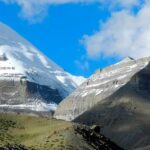
The Best Time to Visit Mt. Kailash
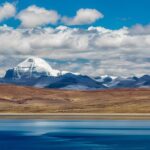
Mt. Kailash in Ngari Prefecture is sacred to four religions. The best time to visit is during the shoulder seasons — late April to early June, and September to October — when skies are clear and the Kailash kora trek is at its finest.
The Best Time to Visit Lhasa
Lhasa is open to tourists almost year-round. The best months are May, June, September and October — when skies are clear and temperatures are most comfortable. July and August are the rainy season.
The Best Time to Visit Everest Base Camp
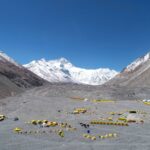
The best time to visit Everest Base Camp (5,200m) is during spring (April–May) and autumn (September–November), when skies are clearest and the summit is most visible. Avoid the monsoon season and harsh winter.
What Each Month Is Really Like
Tibet’s tourist season runs from April to October, but the differences between months are bigger than most guidebooks suggest. Here is the month-by-month picture from our own seasons of running tours.
January – February: quiet, cold, brilliantly clear
January is the coldest point of the Tibetan year, with nights well below freezing almost everywhere. In return you get dry skies, sparse crowds and a rich pilgrim atmosphere in Lhasa. February is still windy winter, but Tibetan New Year (Losar) usually falls in late February or early March, filling the city with pilgrims in their best clothes.
March: quiet, and open to visitors
Temperatures begin to rise, but the wind is still strong and the air is dry. In earlier years Tibet closed to foreign visitors for most of March; in recent years it has stayed open, and permits are issued as normal. March is quiet, with very few visitors.
April – May: the Everest season opens
April is one of the best months for Everest Base Camp — long days, clear skies before the monsoon, and strong sun (UV is the main hazard). May is the first busy tour month and the warmest of spring: ideal for Namtso Lake, Mt. Kailash and the Saga Dawa Festival before the June rains arrive.
June – August: warm, green and festival-rich
Summer is peak season. Rain falls mostly at night, so days stay largely sunny. July and August bring the biggest festivals — Shoton in Lhasa, the Ganden Thangka Festival and the Nagchu Horse Racing Festival — along with the year’s lushest landscapes.
September – October: the finest weather of the year
The rains end in September and the skies turn brilliant blue — early autumn is also the most dependable month for Everest. In October around 80% of the tree leaves turn golden, the air turns crisp, and the summer crowds begin to thin out.
November – December: winter rewards
High-altitude adventure destinations close down, but Lhasa, Tsetang, Gyantse and Shigatse stay rewarding under dry, clear skies. December delivers 8 hours of sunshine a day, hotel discounts of 20–50% and almost no foreign tourists — the most authentic Tibetan experience for the well-prepared winter traveller.
Timing Your Trip Around Festivals
Tibetan festivals follow the lunar calendar — the dates are worked out each year by the astrologers of the Mentsekhang, the Tibetan medicine and astrology institute in Lhasa — so they move by several weeks against the Western calendar. The big ones to plan around:
- Losar (Tibetan New Year) — late February or March; the year’s biggest family festival, and Tibet is open to foreign visitors, so you can see it in Lhasa.
- Saga Dawa — the full moon of the fourth Tibetan month, usually May or June; the holiest day of the pilgrimage year, and the busiest day on the Kailash kora.
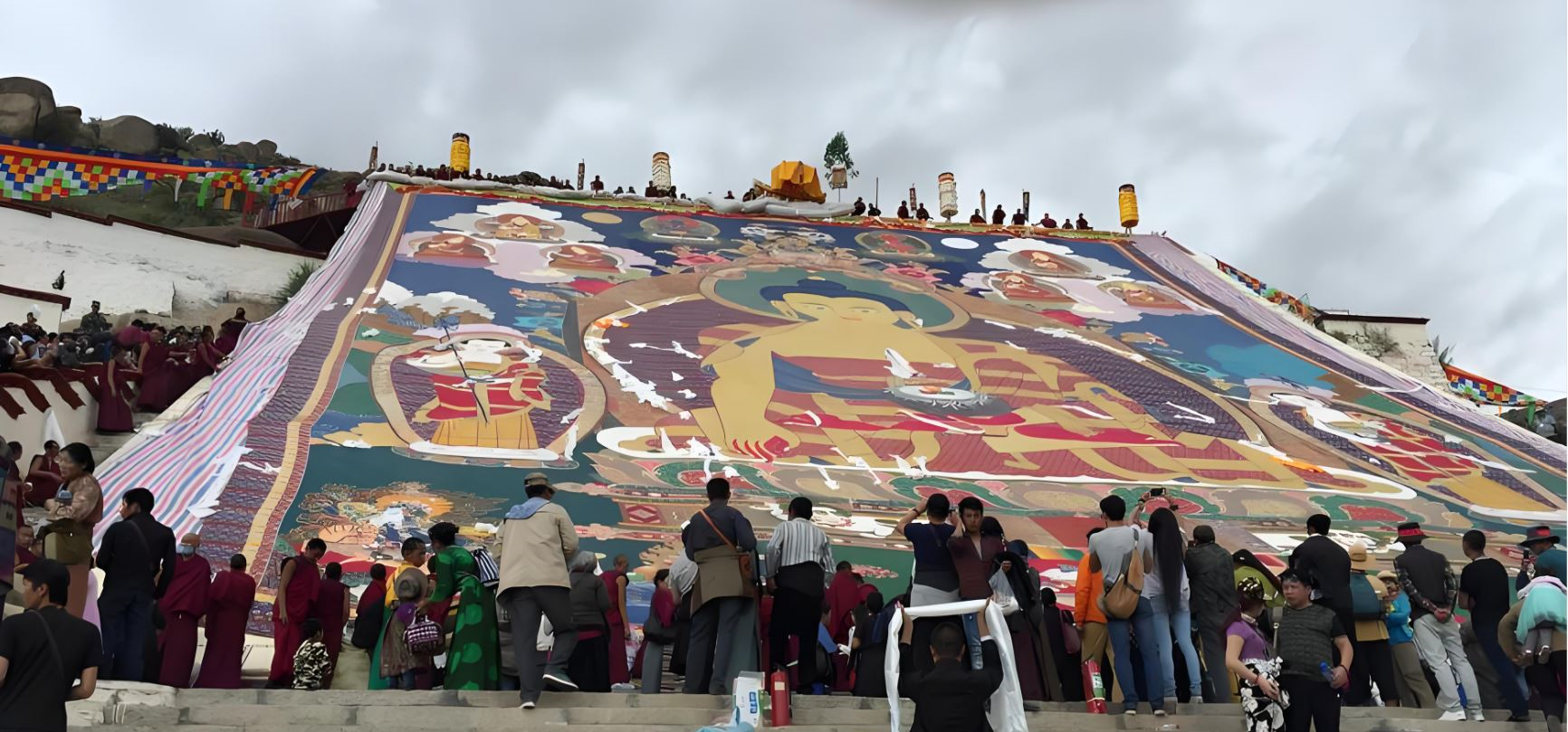
- Shoton (Yogurt) Festival — usually August in Lhasa; the giant thangka is unveiled at dawn at Drepung Monastery, then days of Tibetan opera in the gardens of Norbulingka.
- Nagchu Horse Racing Festival — every year on 10 August; a huge tent city on the northern grasslands.
- Bathing Festival — September; a week in which Lhasa families bathe in the river, believed to carry especially pure water.
Two planning notes from experience. Shoton and Saga Dawa both take place in Lhasa itself and fit comfortably inside a standard four-day Lhasa itinerary, with no extra permits. And around the big festivals, permits, trains and hotels fill up early — book further ahead than you normally would, and confirm the exact festival dates with us before you fix your flights.
Crowds, Prices and the Case for Winter
July and August are the busiest months; October quiets down with excellent light and cold nights. If your dates are flexible, the shoulder windows — late April to early June, and September to October — combine the best weather with thinner crowds. Winter is the budget season: December’s hotel discounts run 20–50% and foreign tourists are scarce, though you should pack properly for freezing nights and check which regions stay open.
Popular Tours for Every Season
Our guides will match your travel dates to the perfect itinerary.
Everest Tour
7 Days A Week Tour to Everest Base Camp
Mt Kailash Tour
13 Days Lhasa–Kailash–Manasarovar Classic Tour
Group Tour
9 Days Lhasa–Nyingchi–Yamdroktso–Shigatse Tour
Frequently asked questions
What is the best time to visit Tibet?
Tibet’s tourist season generally runs from April to October. The most popular months are April to June and September to October, when the weather is dry and the skies are clear.
What is Tibet like in winter?
Winter is cold but often sunny and very quiet. Tibet stays open to foreign visitors all winter, including Losar and March. Winter visits tend to be cultural trips around Lhasa, Tsedang, Gyantse and Shigatse rather than long overland routes.
When is the best time for Everest?
Everest Base Camp is clearest in spring and autumn. Summer brings more cloud and rain, and winter is very cold — though the mountain is often sharpest against a clear winter sky.
When should I go to Nyingchi?
Nyingchi in the southeast is at its best in spring, roughly March to May, when the forests and the peach blossom are at their peak.
We answer within 12 hours, Monday to Saturday.