























































7 Days from Lhasa to Kathmandu Small Group Tour
- Duration
- 7 Days / 6 Nights
- Pace
- Moderate
- Group size
- Private, on your dates
- Best season
- April to June and September to October
The trip at a glance
7 Days · from US$980 per person · Lhasa, Yamdrok Lake, Gyantse, Everest Base Camp, Peigutso Lake below Shishapangma (8,027 m), back to Shigatse via Dingjie and Sakya, then a morning flight over the Himalaya from Lhasa to Kathmandu.
Border status. The Gyirong land border between Tibet and Nepal is closed at present, with no date for rebuilding, and the Zhangmu crossing is not supported for tourist travel. We plan the crossing by air and confirm the current position with you before you book. See our Gyirong border travel advisory.
Read the full overview
Thinking of doing this route in reverse — Kathmandu to Lhasa? Many visitors do travel that direction, and it is possible. But there are three practical constraints worth knowing before you book.
First, your China visa will be a group tour visa — a paper document tied to the group, not a standard individual Chinese visa or e-visa. It cannot be used independently for onward travel in mainland China.
Second, the visa is issued for the exact tour duration. Extending your stay to visit the rest of China after arriving in Lhasa is not straightforward, and in most cases means leaving China and reapplying for a new individual visa from outside.
Third, leaving the group midway is not a simple process. All Tibet permits are issued collectively to the group. Departing early requires separate permit applications — time-consuming, bureaucratically complex, and not always approved.
If your itinerary includes both Tibet and mainland China, this tour — flying into Lhasa on a standard China visa, completing Tibet, and flying from Lhasa to Kathmandu at the end — is the considerably easier direction. Your China visa remains valid for the mainland leg, and you retain full flexibility throughout.
This tour goes further west than any other in the series. After Everest Base Camp it drives on towards Nepal as far as Peigutso Lake, where the whole Shishapangma range stands over the water. It returns to Shigatse by a different road, through Dingjie and past Sakya Monastery, then back to Lhasa for a morning flight over the Himalaya to Kathmandu.
Why not cross the border by road? The Gyirong border is closed with no date for rebuilding, and the Zhangmu border is not supported for tourists and can close at short notice. See our Gyirong border travel advisory.
Days 1 and 2 are in Lhasa. See our 4-Day Lhasa tour for more about the city and its sights.
- Lhasa
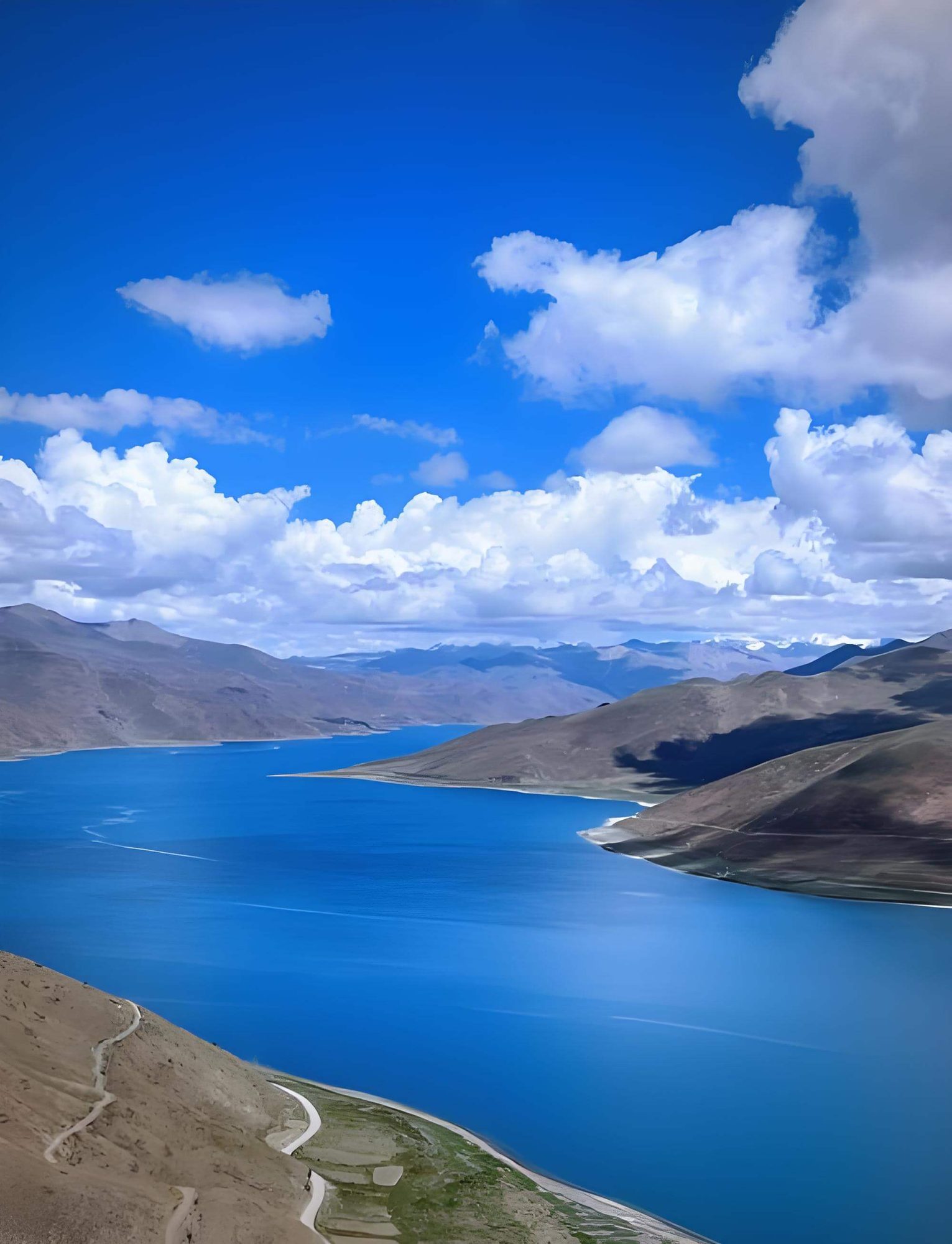 Yamdrok Lake
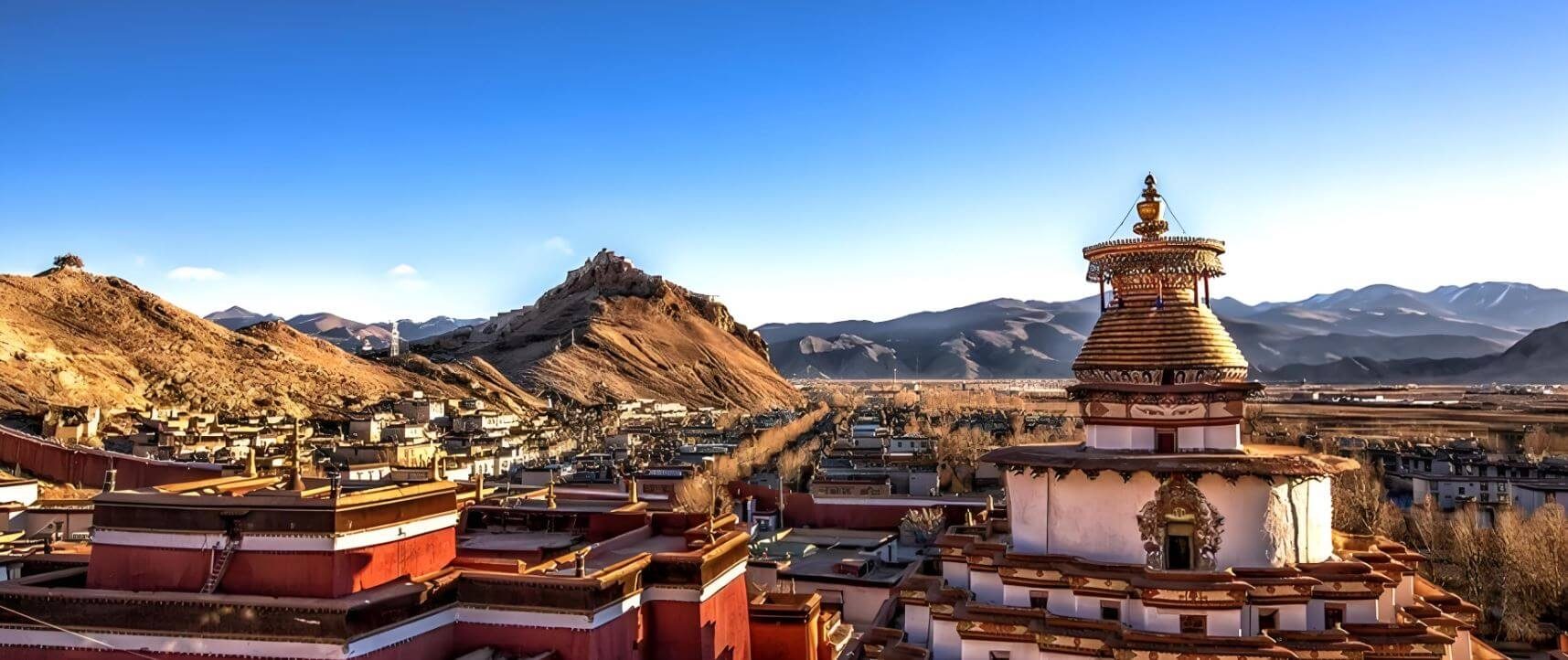 Gyantse
- Shigatse
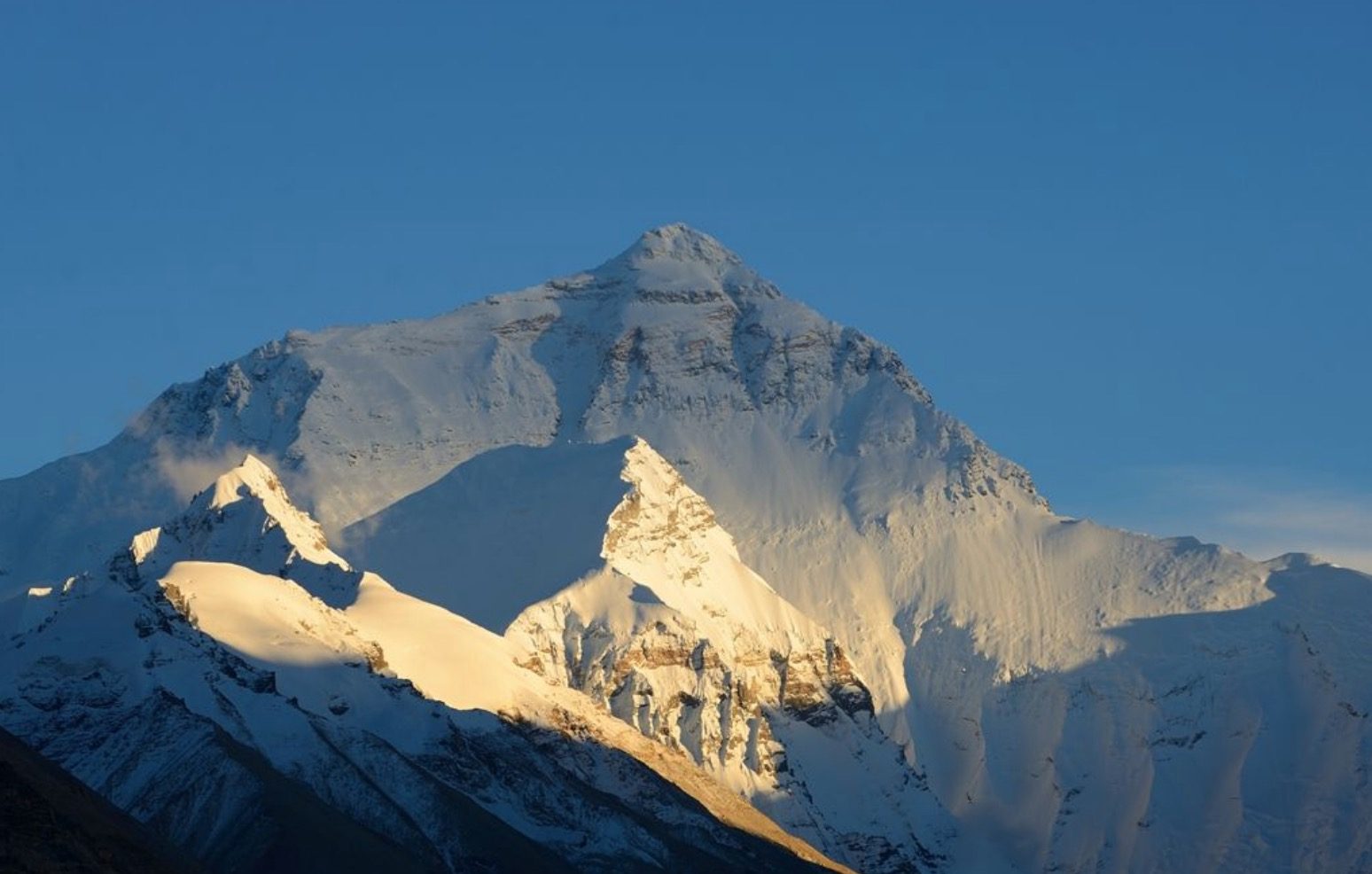 Everest Base Camp
- Peigutso Lake
- Dingjie
- Sakya
- Kathmandu (fly from Lhasa)
Where you go, and how high you sleep
The route, stop by stop
Lhasa → Yamdrok Lake → Gyantse → Shigatse → Everest Base Camp → Peigutso Lake → Dingjie → Sakya → Kathmandu (fly from Lhasa)
- Arrival in Lhasa — Transfer & AcclimatisationDay 1
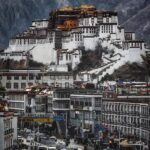
- Potala PalaceDay 2
- Gampala PassDay 3
- Tashilhunpo MonasteryDay 4
- EBC SunriseDay 5
- Shigatse to Lhasa — An Easy DayDay 6
- Fly from Lhasa to Kathmandu — Tour EndsDay 7
Day by day
Days 1–2 · Lhasa hotel
Arrival in Lhasa — Transfer & Acclimatisation
Airport or station pick-up, hotel check-in, then a quiet day to rest and get used to the altitude.
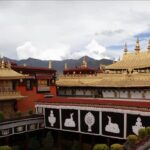
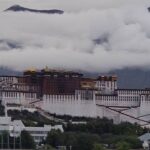
Potala Palace · Jokhang Temple · Barkhor Street
Potala Palace in the morning, then the Jokhang Temple and the Barkhor pilgrim circuit in the afternoon.
Want the full story of these two days in Lhasa — what you see, and why it matters? Read the day-by-day details (opens in a new tab)
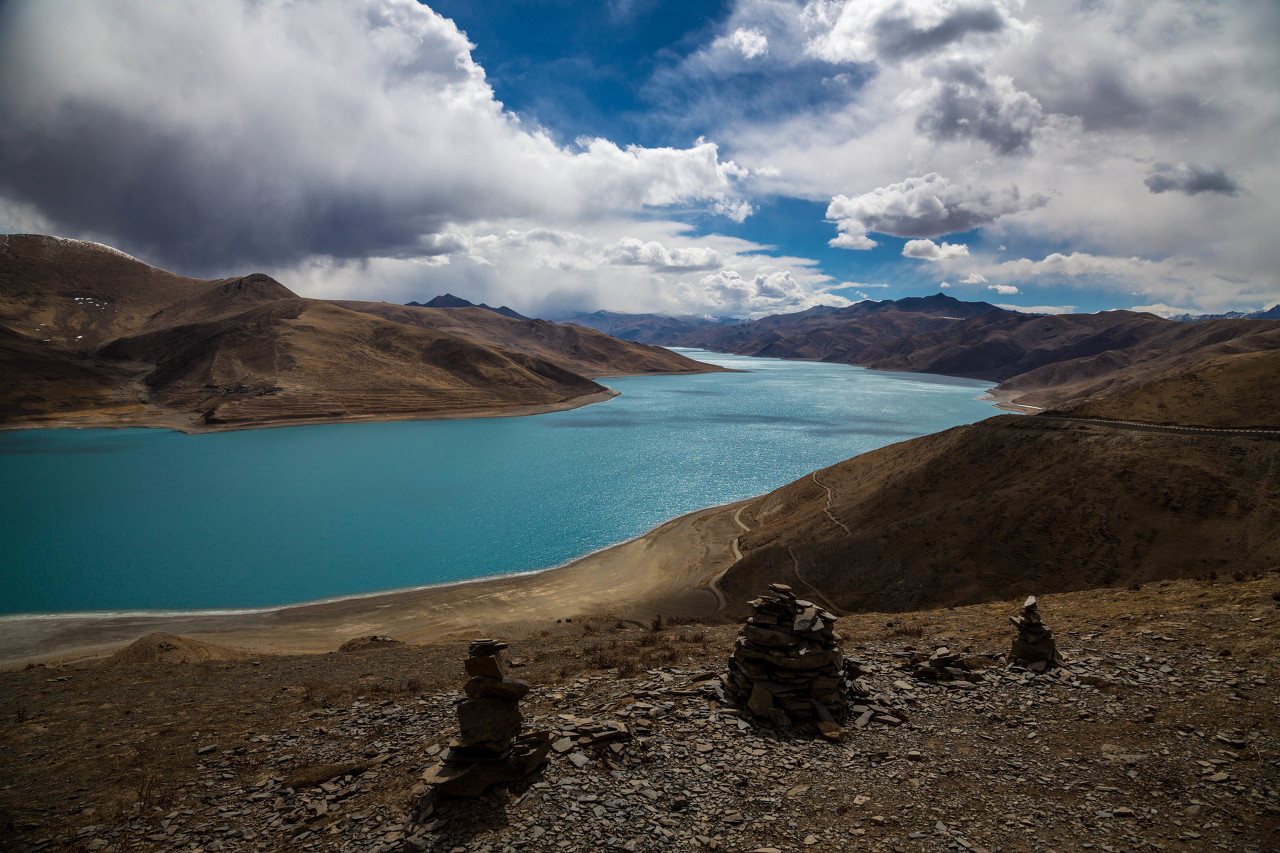
Gampala Pass · Yamdrok Lake · Karola Glacier · Gyantse · Shigatse
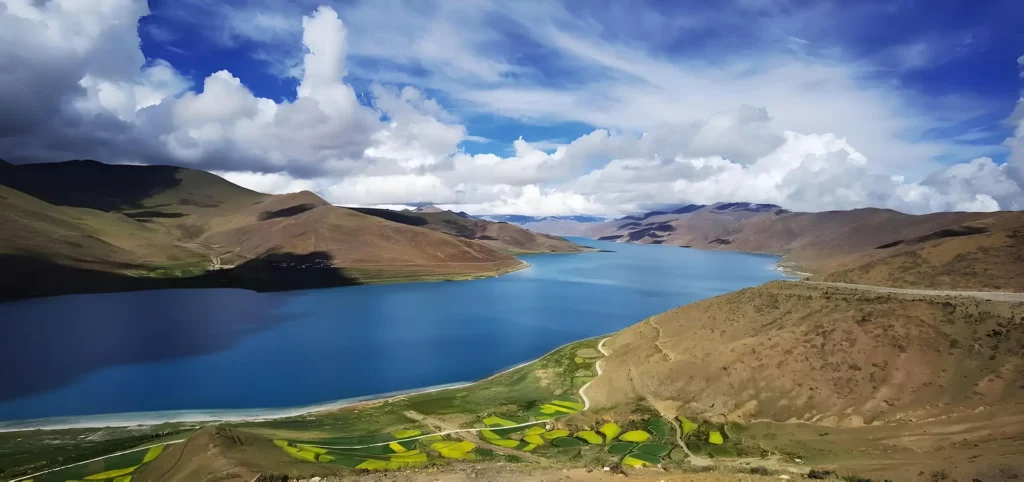
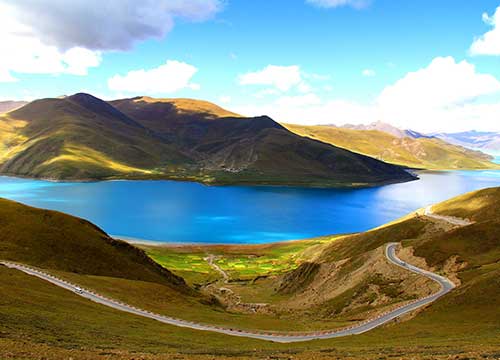
An early start south from Lhasa. The road climbs to the Gampala Pass (4,794 m) where Yamdrok Lake appears below in its full turquoise sweep — one of Tibet's three holy lakes and the first landmark that confirms you have left the city behind.
The group continues west past the Karola Glacier — close enough to feel the cold — and reaches Gyantse in the early afternoon. The Pelkor Chöde Monastery complex is worth the stop: the Kumbum Stupa (1427–1439) rises through nine storeys and 77 chapels in a three-dimensional mandala that takes a full hour to explore properly.
The day ends in Shigatse — Tibet's second-largest city — for an overnight rest before the road west begins in earnest.
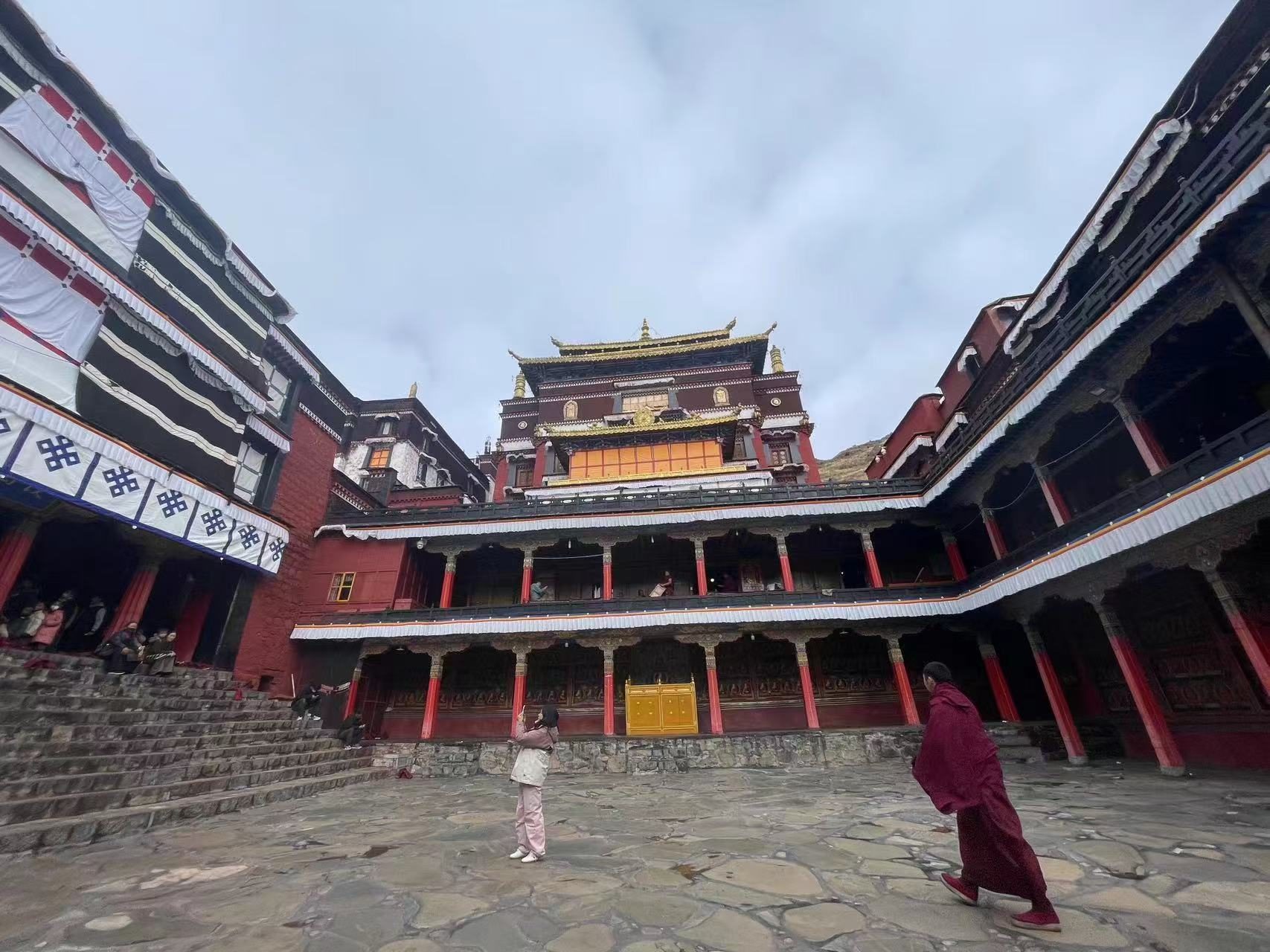
Tashilhunpo Monastery · Gyawula Pass Five-Peak Panorama · Overnight Rongbuk
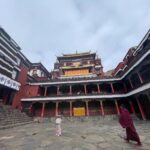
The morning belongs to Tashilhunpo. Founded in 1447 by the first Dalai Lama and the traditional seat of the Panchen Lamas, its most extraordinary feature is the Hall of Maitreya — the world's largest gilded bronze statue of the future Buddha, 26 metres tall. Beyond it: gilded chortens, the Kelsang Lhakhang assembly hall, the debating courtyard, monks going about their day.
After Tashilhunpo, the group loads the vehicles and drives west. The road climbs to the Gyawula Pass, where — if the weather holds, and on many days it does — five of the world's highest peaks appear together in a single panoramic frame: Cho Oyu (8,201 m), Gyachung Kang, Everest (8,849 m), Lhotse and Makalu. All above 7,900 metres. All visible at once. No other road on earth offers this.
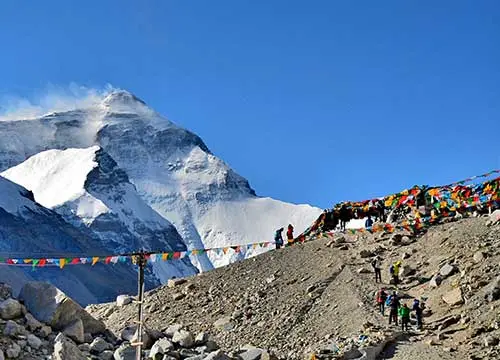
The group arrives at Rongbuk Monastery Guesthouse in the late afternoon. Everest's north face fills the horizon. In the last light before dark it turns gold. Overnight at Rongbuk (4,980 m) — bring warm layers, and expect a cold but starlit night.
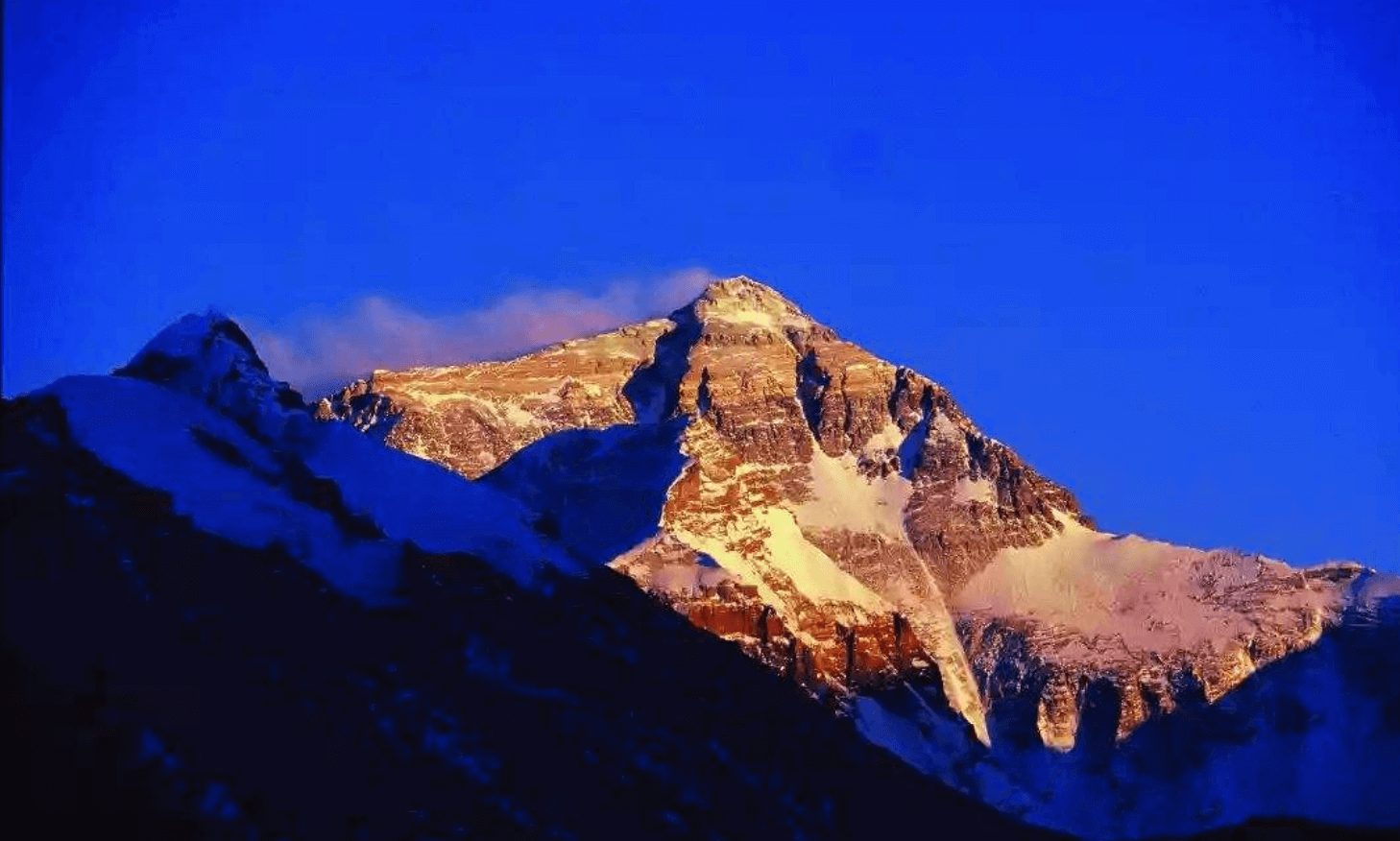
EBC Sunrise · Old Tingri · Peigutso Lake & Shishapangma · Dingjie · Sakya — Back to Shigatse
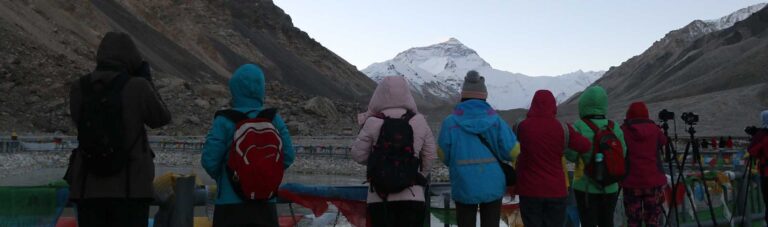
Wake before dawn. The walk from Rongbuk Guesthouse to Everest Base Camp (5,200 m) takes about 20 minutes on flat ground. The north face catches the first sun before the clouds build, and the air is cold and completely still. Take as long as you need.
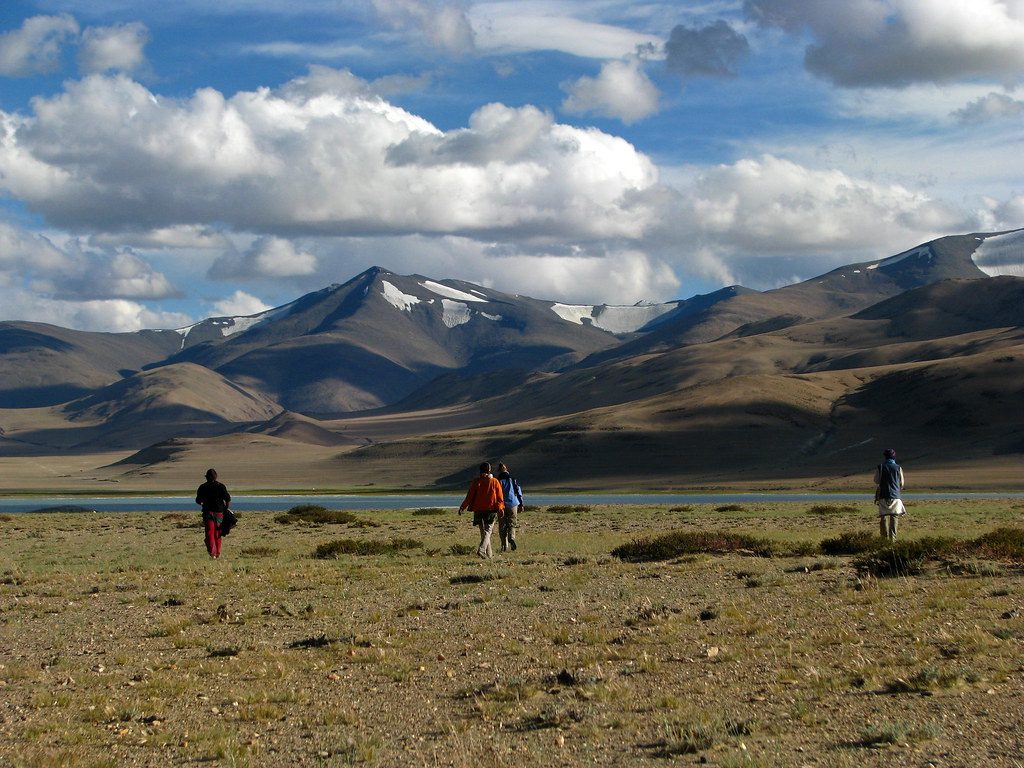
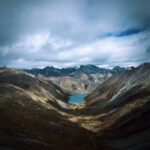
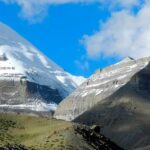
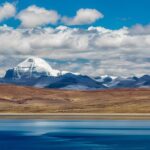
After a simple breakfast, the group does not turn straight back. It drives on west, towards Nepal, through Old Tingri — a small junction town with open views of both Everest and Cho Oyu from the main street — to Peigutso Lake (Paiku Lake, 4,590 m). Shishapangma, 8,027 m and the only 8,000-metre peak entirely inside China, rises from the far shore with its whole range beside it. On a calm day the reflection is so sharp the mountain seems to grow out of the water. Almost no standard Tibet itinerary comes this far.
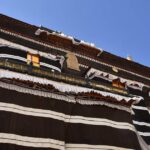
This is as far towards Nepal as the tour goes. From the lake the group turns back east — but not the way it came. Instead of crossing the Gyatso La pass again, the road runs through the Dingjie County area and past Sakya Monastery, its walls painted in grey, white and red stripes, to Shigatse for the night.
It is a long day in the vehicle, with stops for photos. If you prefer an easier pace, add one night in Shegar (Baiba town) and the trip becomes 8 days — ask us when you book.
Shigatse to Lhasa — An Easy Day
A slow morning after the long day before. The group drives back to Lhasa along the Yarlung Tsangpo valley, about four to five hours with stops, and arrives in the afternoon.
The rest of the day is yours: a last walk around the Barkhor, a cup of sweet tea in a Tibetan tea house, or time to pack for Nepal.
Fly from Lhasa to Kathmandu — Tour Ends
Flights from Lhasa to Kathmandu leave in the morning, so your guide and driver take you to Lhasa Gonggar Airport early (about one hour from the city). The flight crosses the Himalaya and lands in Kathmandu a little over an hour later. On a clear day the snow peaks are right below the wings.
Tour services end at Lhasa Gonggar Airport. We can book the Lhasa–Kathmandu flight for you, and our Nepal partner can meet you at Kathmandu airport and arrange your stay in Nepal — please ask when you book.
What is included
Included
- Tourist bus (7–17 seats) for all ground transportation
- Twin-sharing accommodation with daily breakfast
- Featured meals as listed in itinerary (Tibetan welcome banquet + specialty dinners)
- Professional English/Chinese-speaking tour guide
- Entrance tickets to all scenic spots listed in the itinerary
- Tibet Entry Permit, Alien's Travel Permit and Border Pass
- Travel Accident Insurance, Vehicle Seat Insurance and Agency Liability Insurance
- Airport/station pick-up and drop-off service (7:00 am–10:00 pm)
- Emergency oxygen canister per person; 2 × 300 ml drinking water per day; 4 L medical oxygen in vehicle
- All taxes, handling charges and Potala Palace reservation fee
Not included
- Single room supplement — free of charge for any group booking 5 rooms or travelling with 10 or more.
- Room fees for any itinerary changes due to personal reasons
- Personal expenses (laundry, drinks, telephone, optional activities)
- Force majeure costs (natural disasters, flight delays, political events, etc.)
- Guide and driver tips (suggested 30 CNY per person per day each)
- International or domestic flight/train tickets to/from Tibet
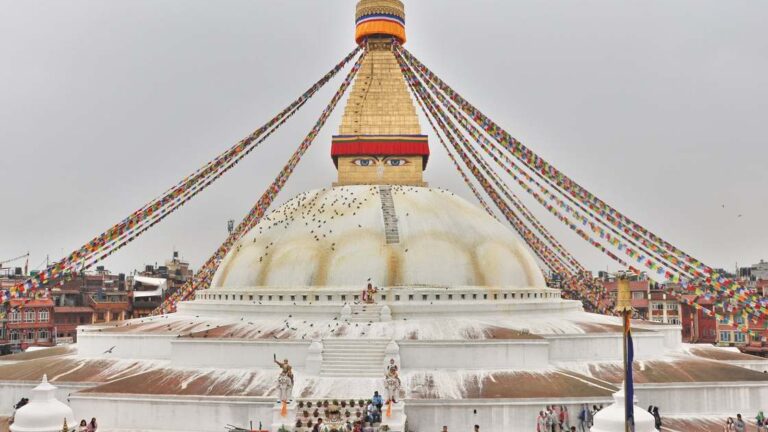
Photos from this route
Questions travellers ask
Can I still travel from Lhasa to Kathmandu overland?
Not at the moment. The Gyirong border between Tibet and Nepal is closed, with no date for rebuilding — we do not expect it to reopen within the next two to three years. The Zhangmu border is officially open but not supported for tourists, and it can close at short notice, even after you have arrived in Tibet.
So this tour drives towards Nepal as far as Peigutso Lake, below the Shishapangma range, then returns to Lhasa and flies to Kathmandu. You still see the Himalaya from both sides — from the road and from the air. For the latest news, see our Gyirong border travel advisory.
How do I get from Lhasa to Kathmandu now?
By air. Flights from Lhasa Gonggar Airport to Kathmandu leave in the morning and take a little over an hour. That is why this tour ends with a night in Lhasa (Day 6) and the flight on Day 7 — driving from Shigatse to the airport for a morning flight would be too rushed.
We can book the flight for you, and our Nepal partner can meet you in Kathmandu.
Am I qualified to join this tour? Is it a mountain climb?
No mountain climbing is involved. Everest Base Camp is reached by vehicle, with a short flat walk of about 500 metres at the end. The tour is suitable for any reasonably healthy adult.
What you do need is a tolerance for altitude. Lhasa sits at 3,600 m, Rongbuk at 4,980 m and Everest Base Camp at 5,200 m. Two days in Lhasa before the road days begin, and a slow climb from there, means most travellers manage comfortably. Travellers with heart conditions, serious respiratory illness or a history of severe altitude sickness should consult a doctor before booking.
What permits do I need, and are they included?
All Tibet permits are included and we apply for them for you:
Tibet Travel Permit — needed by every foreign visitor to Tibet. Please book at least 15 days before you arrive.
Alien's Travel Permit — for the areas outside Lhasa: Yamdrok Lake, Gyantse, Shigatse and Everest Base Camp.
Border area permit — for Everest Base Camp, Peigutso Lake and the Dingjie area, which lie close to the Nepal border.
For Nepal, most nationalities can get a visa on arrival at Kathmandu airport. The Nepal visa fee is not included.
Can I join a group, or is it a private trip?
There are no fixed group dates for this route in 2027. We run it as a private trip on any date you choose, for any number of travellers. If you are travelling with friends and would like to share, small groups are 3–8 travellers.
When is the best time for this tour?
April to June and September to November are the best months. The skies are clearest at Everest Base Camp and Peigutso Lake, and the views of Shishapangma are at their best.
July and August are the rainy months: Everest is often in cloud, though the valleys are green. From December to March, Everest Base Camp is very cold, but the Rongbuk guesthouse stays open in winter. Snow can block some high roads, so the plan may change. The tent guesthouses near base camp are closed from early November to late April.
How does this tour differ from the 7-Day Lhasa–Everest Round Trip?
Both tours take the same road to Everest — Yamdrok Lake and Gyantse, Tashilhunpo and the Gyawula Pass, and a night at Rongbuk below Everest. This tour has two days in Lhasa at the start instead of three.
The difference comes after Everest sunrise. In the round trip, the group turns back towards Shigatse. In this tour, it drives on towards Nepal to Peigutso Lake and the Shishapangma range, then returns by a different road through Dingjie and Sakya. Day 6 is back to Lhasa and Day 7 is the flight to Kathmandu.
Choose this tour if you are going on to Nepal after Tibet.
Can I do this trip the other way, from Kathmandu to Lhasa?
Yes — fly from Kathmandu to Lhasa and do the tour in reverse. But three things are worth knowing. Coming from Nepal, you need a China group visa, a paper document tied to the group, not a normal Chinese visa or e-visa. It is issued for the exact tour dates, so going on to the rest of China afterwards is not easy. And because Tibet permits are issued for the whole group, leaving the group midway is difficult.
If your trip includes both mainland China and Tibet, starting in China and flying out from Lhasa to Kathmandu, as this tour does, is the easier direction.